On 22 June we headed south into Dorset. First stop was the Cerne Abbas Giant, then we spent a good part of the day at Sherborne Old Castle and finished inside Sherborne Abbey.
The Cerne Abbas Giant
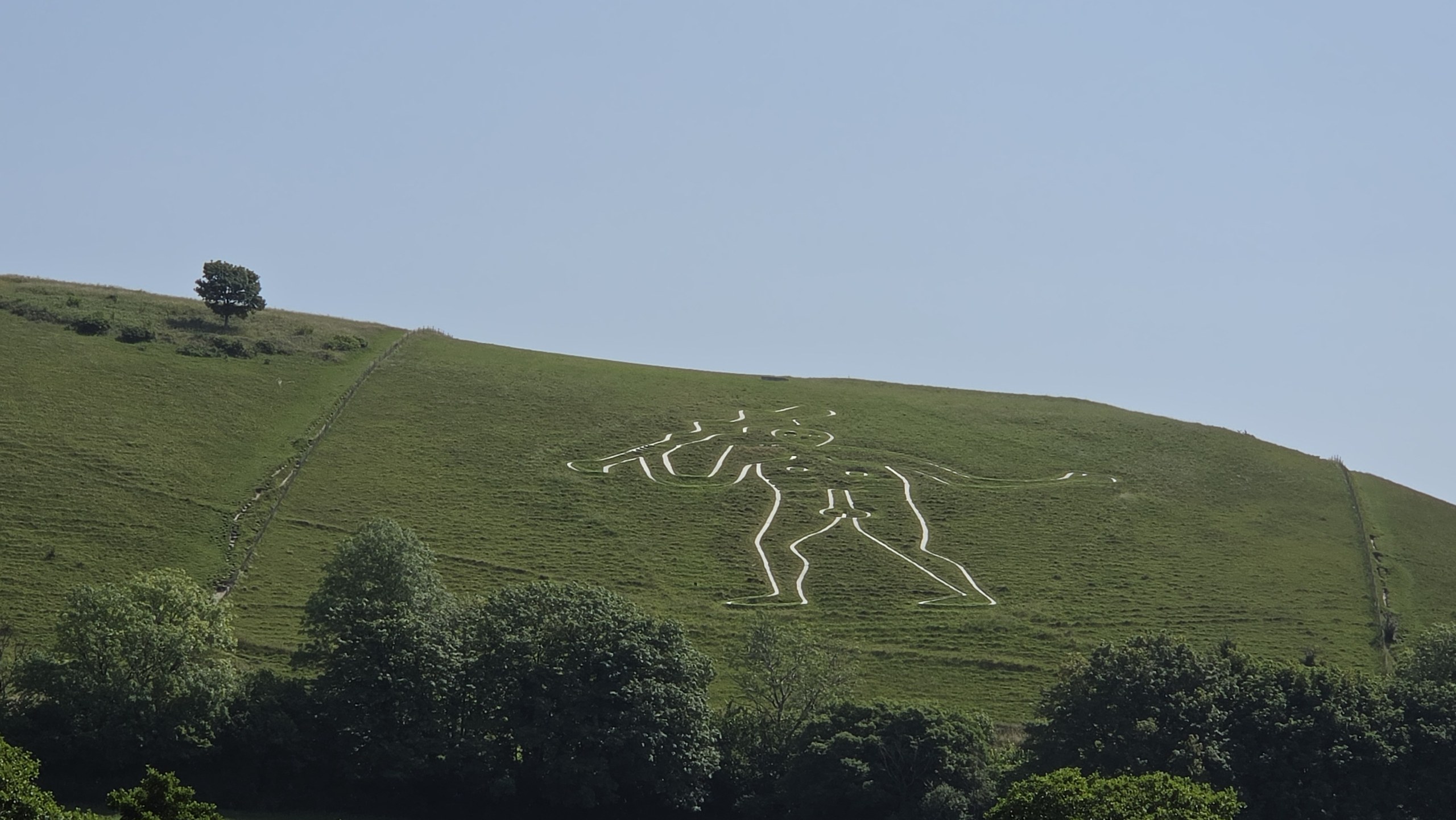
The Giant is a huge figure cut into the chalk hillside above the village of Cerne Abbas, around 55 metres tall. Nobody knows for certain who made him or why.
The Cerne Abbas Giant carved into the chalk hillsideA closer look at the GiantThe Giant from the viewpoint below
Sherborne Old Castle
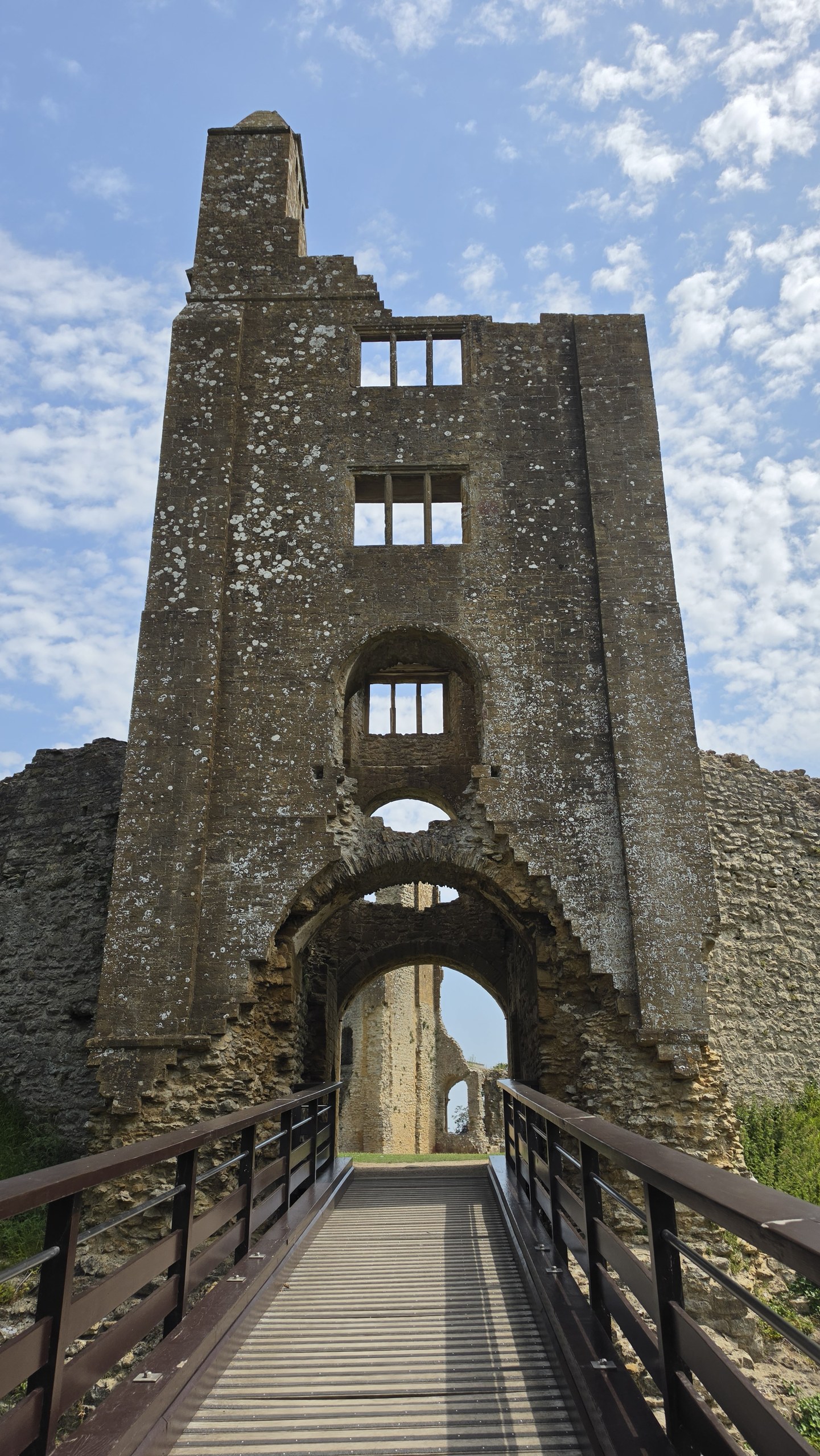
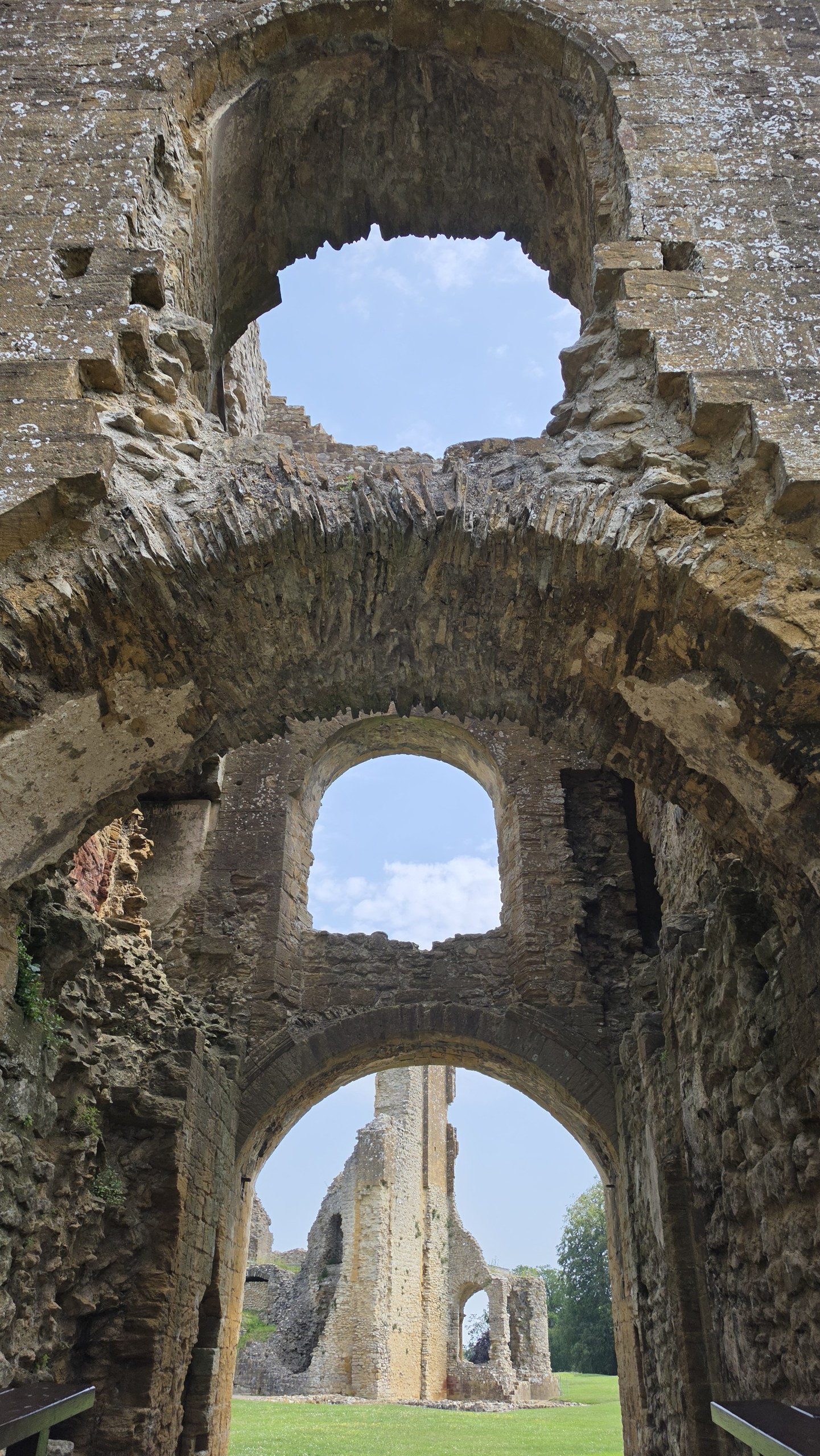
Sherborne Old Castle was built in the early 1100s by Roger, Bishop of Salisbury. Sir Walter Raleigh owned it for a while in Elizabethan times, and it was badly damaged during the Civil War. Today it is a big, rambling ruin looked after by English Heritage, with plenty of passages, arches and window gaps to wander through.
The gatehouse at Sherborne Old CastleWalking up to the gatehouseThe bridge into the gatehouse
Looking through the gatehouse archesThe ruins inside the castle wallsThe gatehouse from inside the grounds
Thick stone walls and dark doorwaysArched windows framing the groundsA long vaulted passage
Light through a worn stone windowTall walls with empty window openingsLooking out through a ruined doorway
Window holes high up in the wallsThe ruins across the lawnWhat’s left of a tower
Views over the countryside from the castle edgeThe castle ruins stretched out in a lineAn old stone well
Looking out through a gap in the wallA narrow window in the thick stoneThe gatehouse from across the courtyard
Up close to the gatehouseLooking up inside the gatehouse
Sherborne Abbey
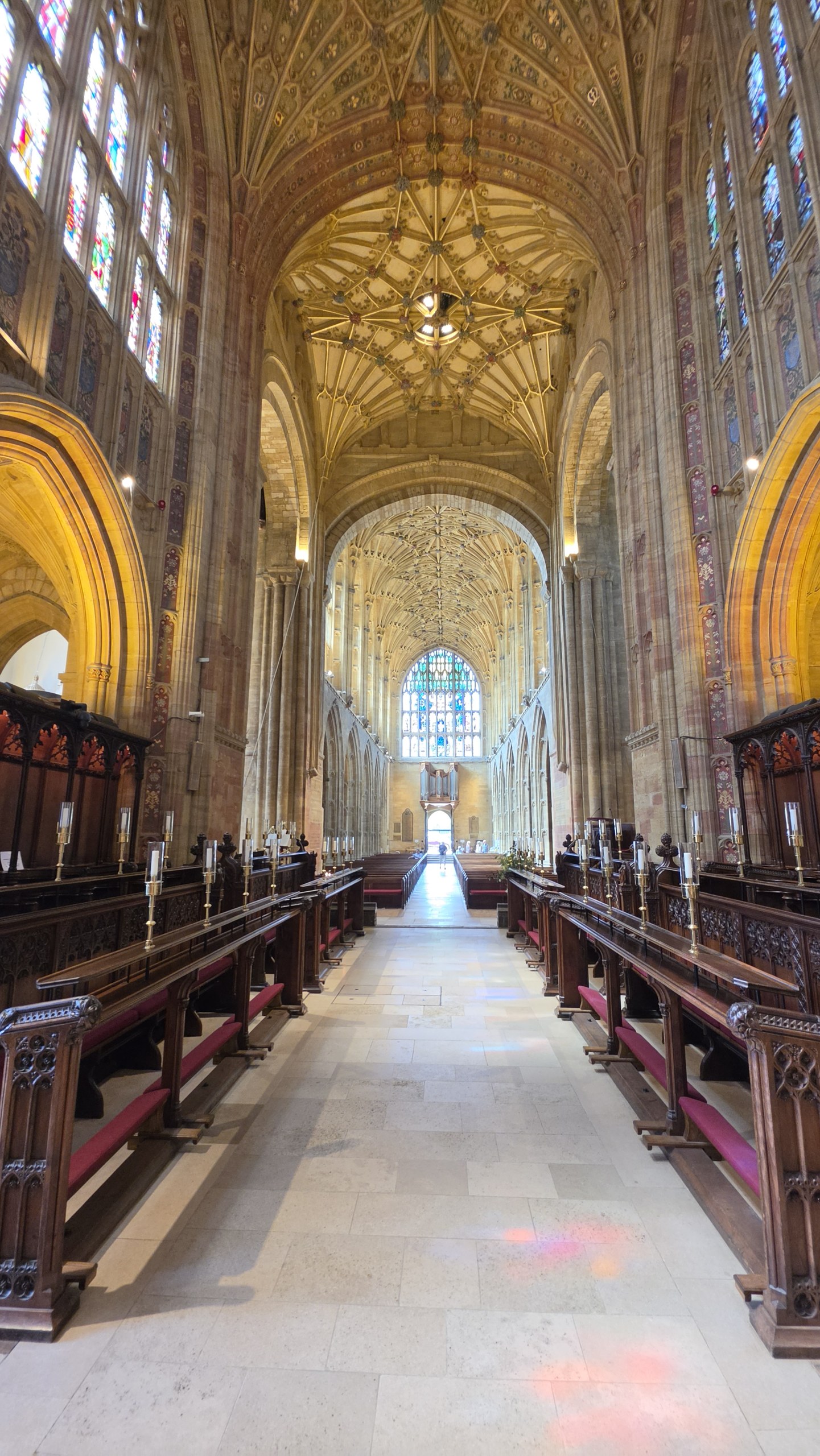
Sherborne Abbey is known for its fan-vaulted ceiling, which stretches the full length of the church.
Fan vaulting over the nave at Sherborne AbbeyOne of the side aislesThe organ
Looking down the choir to the great east windowThe altar, with an open Bible in frontDown the length of the nave
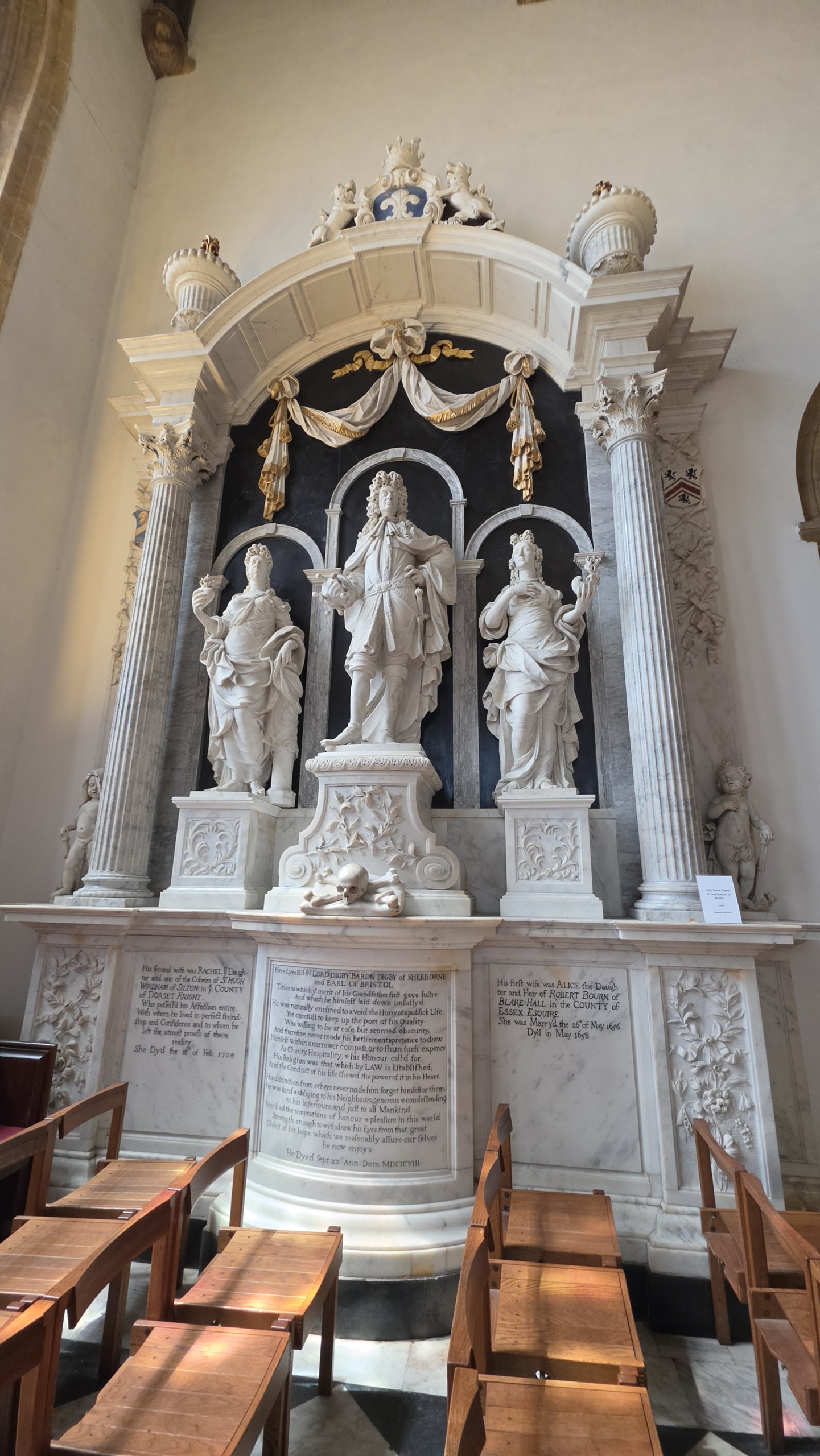
An ornate marble memorialA bronze statue inside the abbeyA carved tomb effigy
Another tomb, with two figures lying side by sideSherborne Abbey from outsideGolden stone buildings beside the abbey