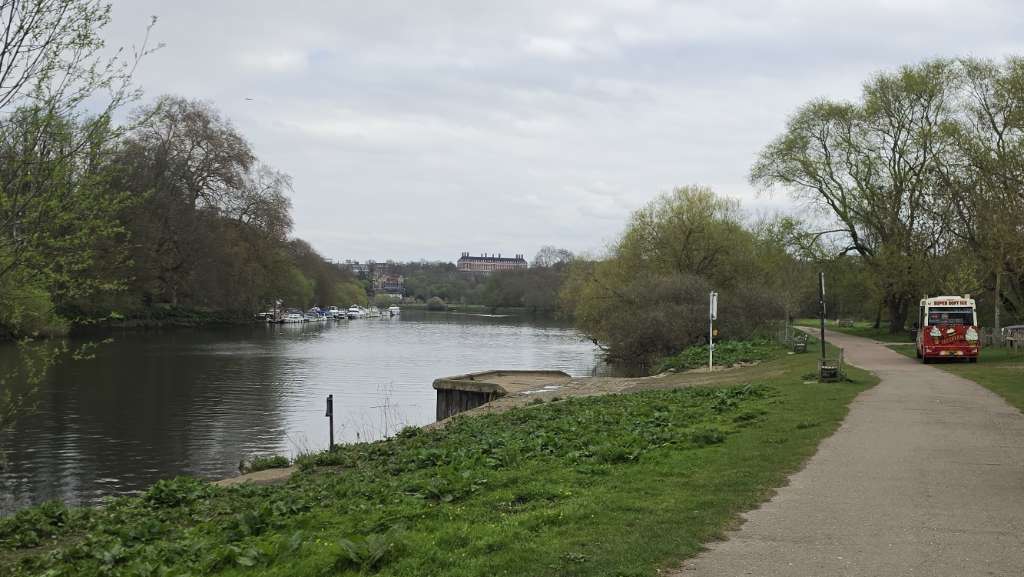
Some days begin with a lovely walk and end with you wondering whether you’ve somehow gone the wrong way. That was our visit to Ham House. We set off on foot, following the water, enjoying the scenery, and kept walking. And walking. After a while we both started to wonder whether we had missed a turn.
We hadn’t, thankfully. It was a really enjoyable walk, and when Ham House finally came into view, we were glad we’d kept going.
The walk there
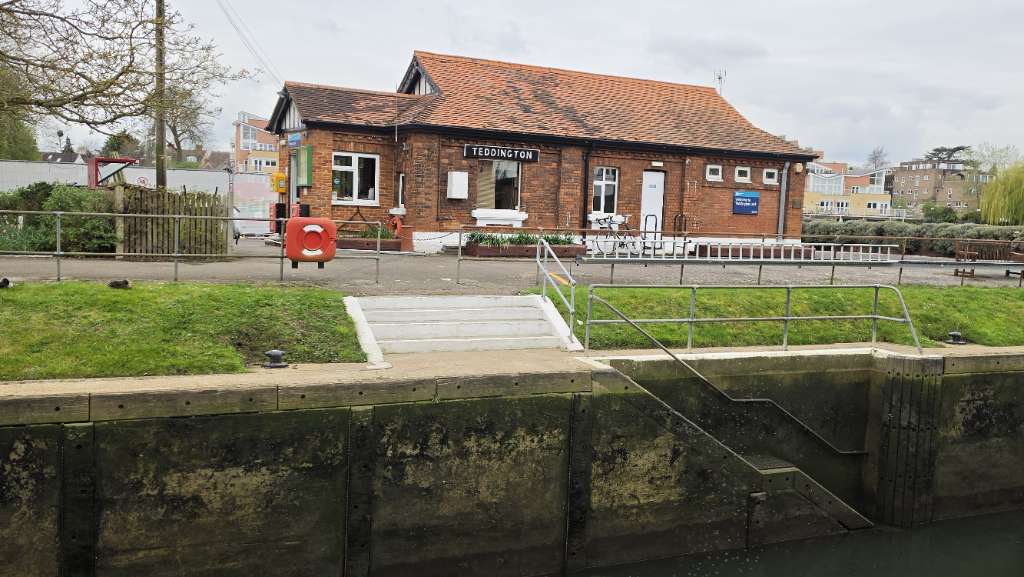
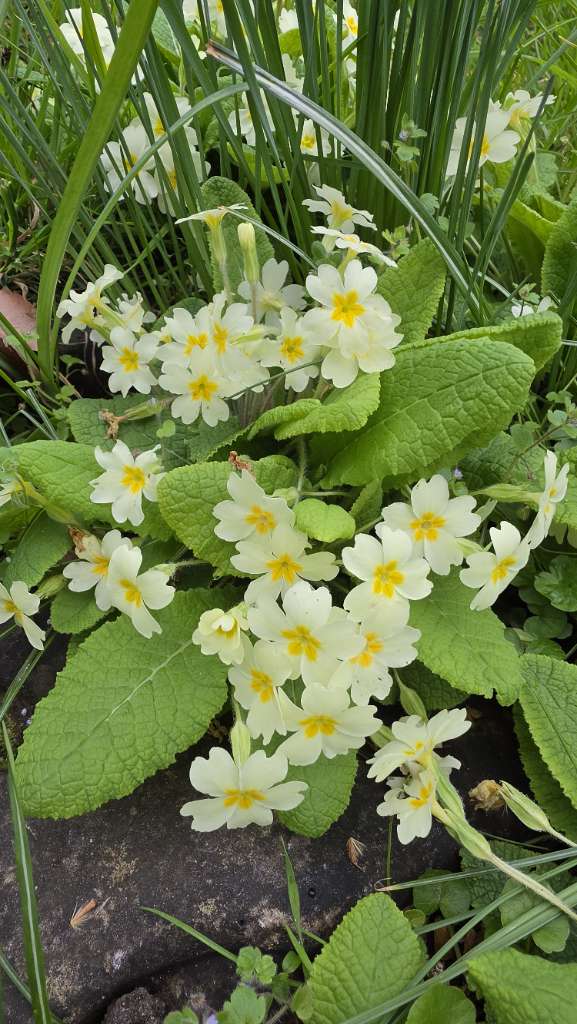
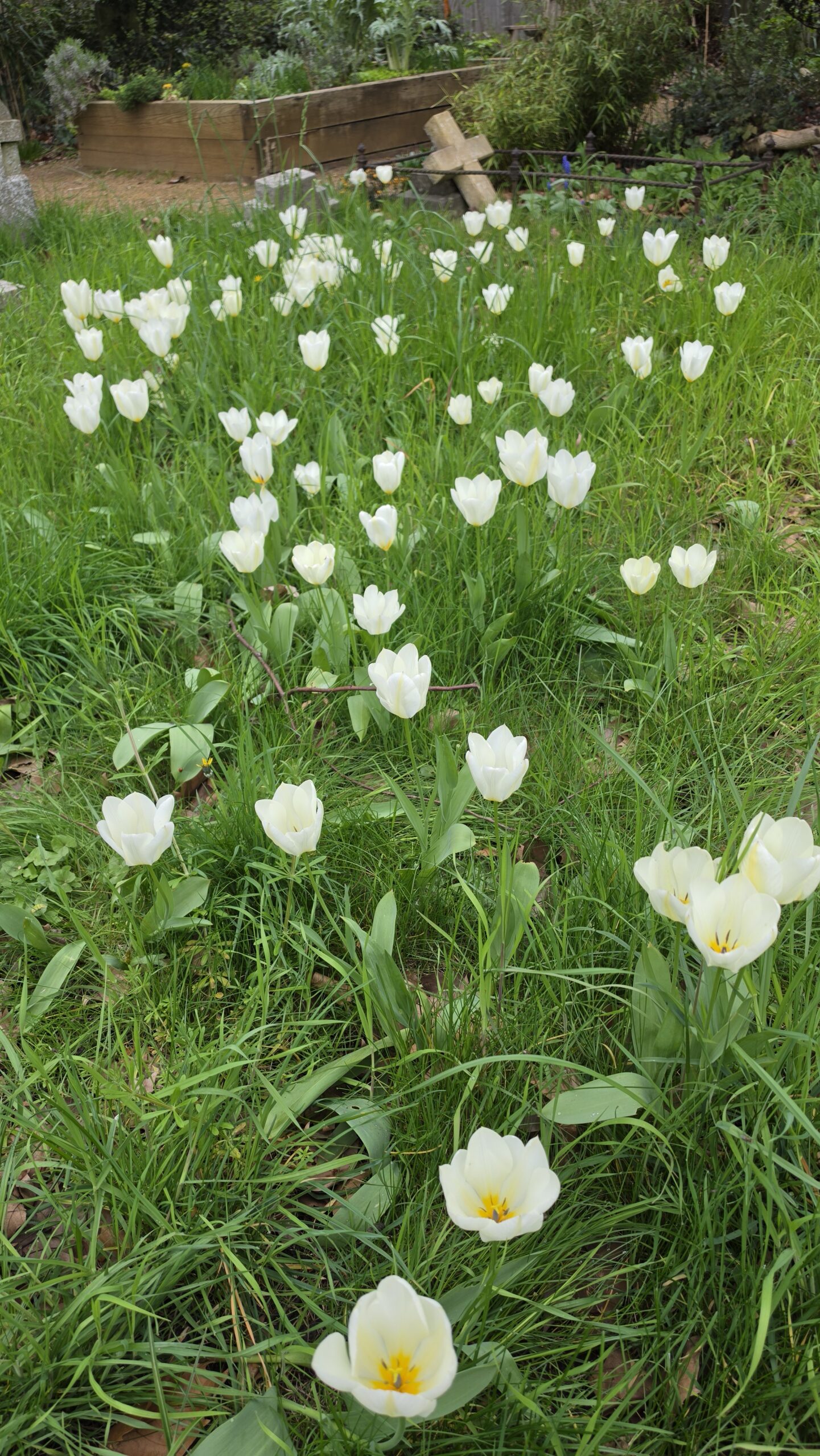
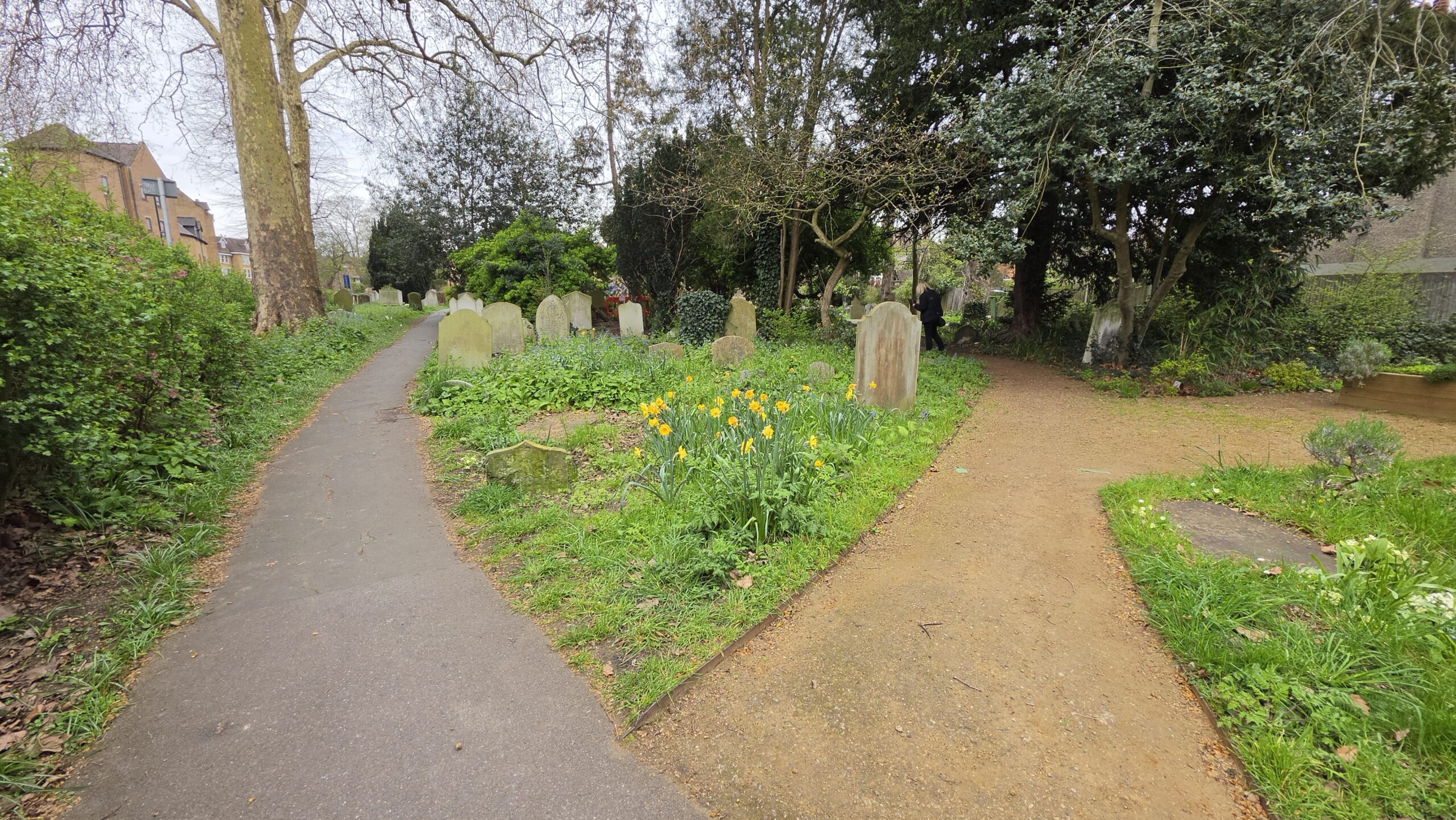
Riverside footpath and green bank beside the Thames.Brick buildings seen on the far side of a waterside walkway.Cluster of white and yellow spring flowers beside a path.Quiet tree-lined path through greenery on the walk.White tulips in the long grass along the way.A path through an old churchyard.Crossing the footbridge over the Thames.A tree-lined path beside the river.
Finally, Ham House
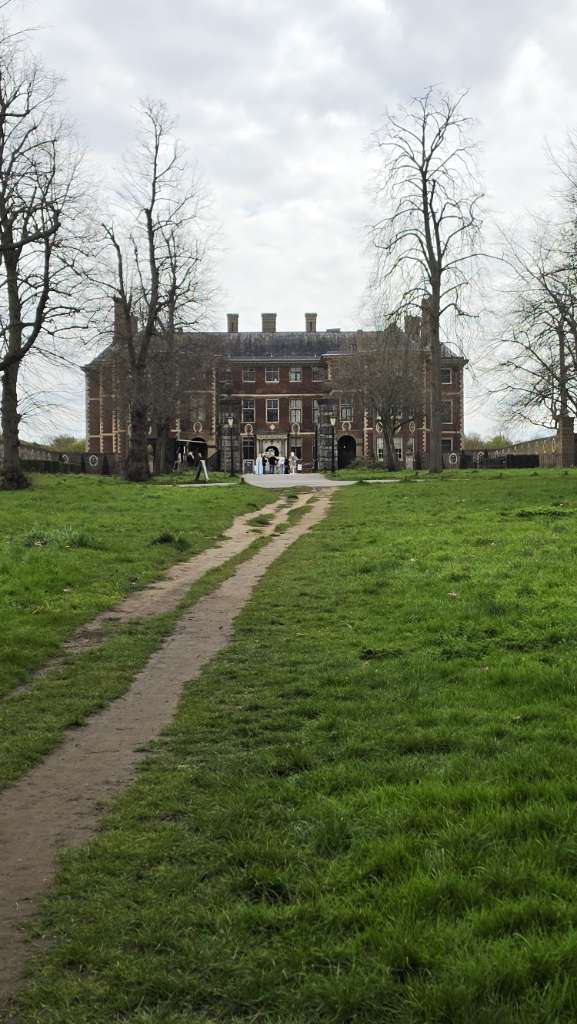
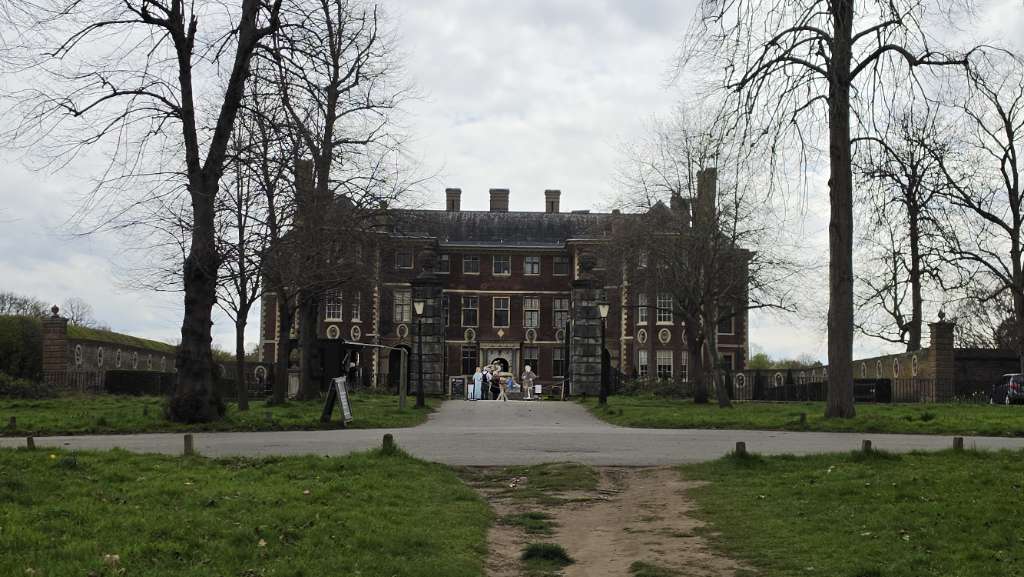
Standing in front of that enormous brick house, I couldn’t quite believe how much history was waiting inside. Ham House dates back to 1610. To put that into perspective, it was standing long before British colonisation of Australia began in 1788. Some of these buildings have been around for centuries, and I still find that extraordinary.
Even the outside was worth taking time over. Between the brickwork, the formal setting and the paths winding towards the house, I was already taking far too many photographs. That was only the beginning.
Narrow grass path leading towards the historic house.Ham House seen from the garden between tall leafless trees.Front of Ham House with formal lawn and central stone garden feature.Front view of Ham House, a broad brick historic house.The side of Ham House, with a path and trees.
Room after room of history
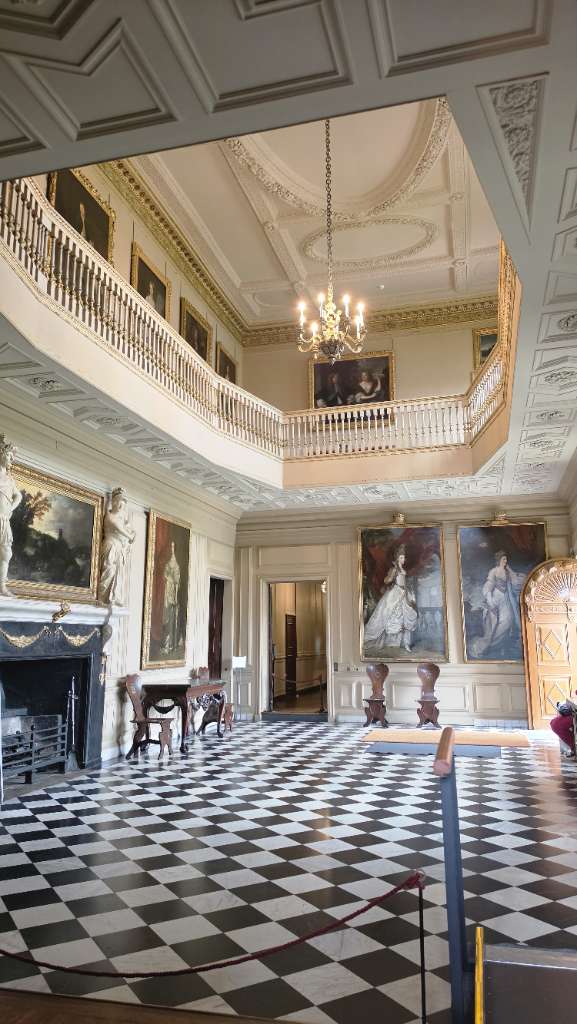
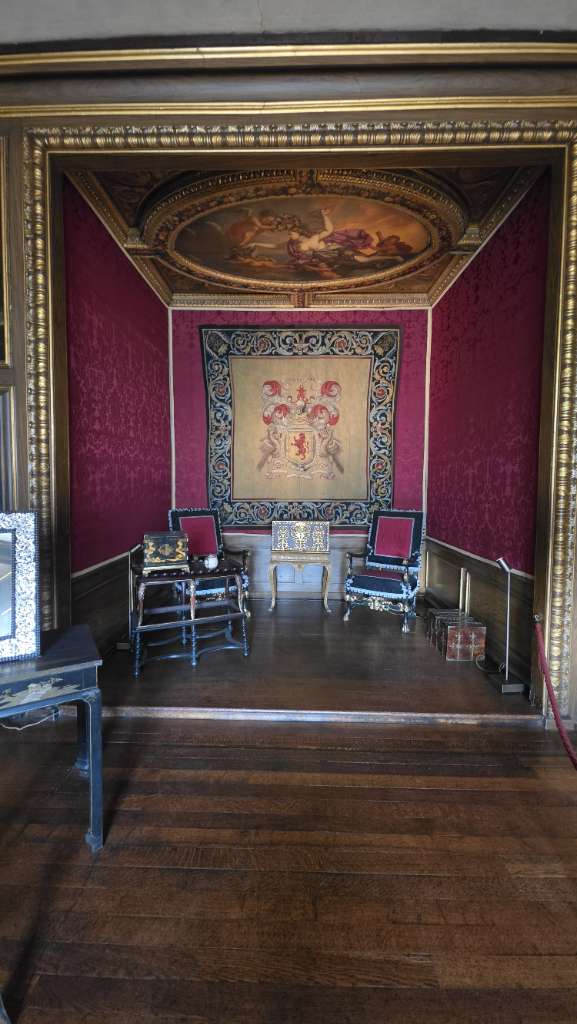
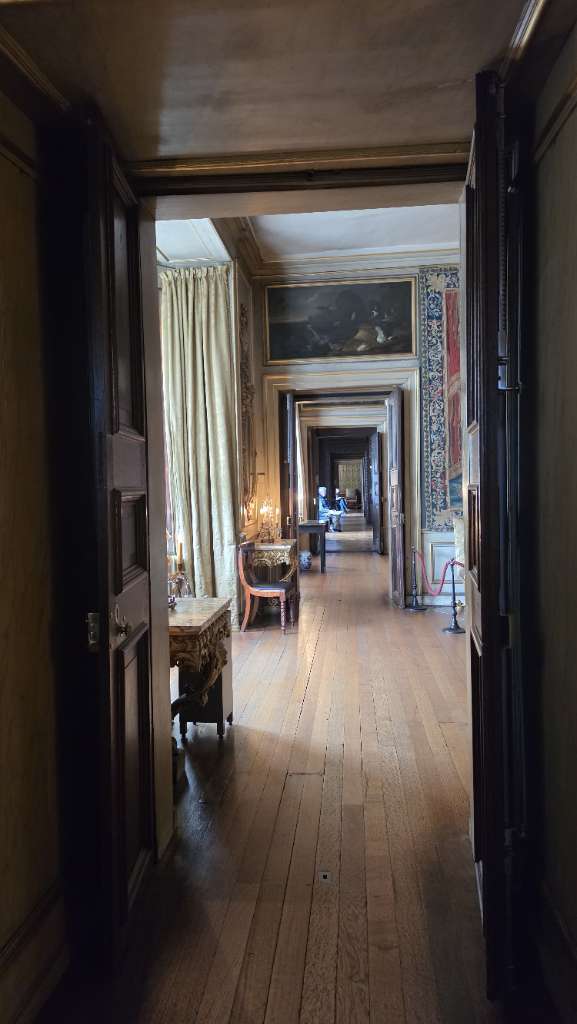
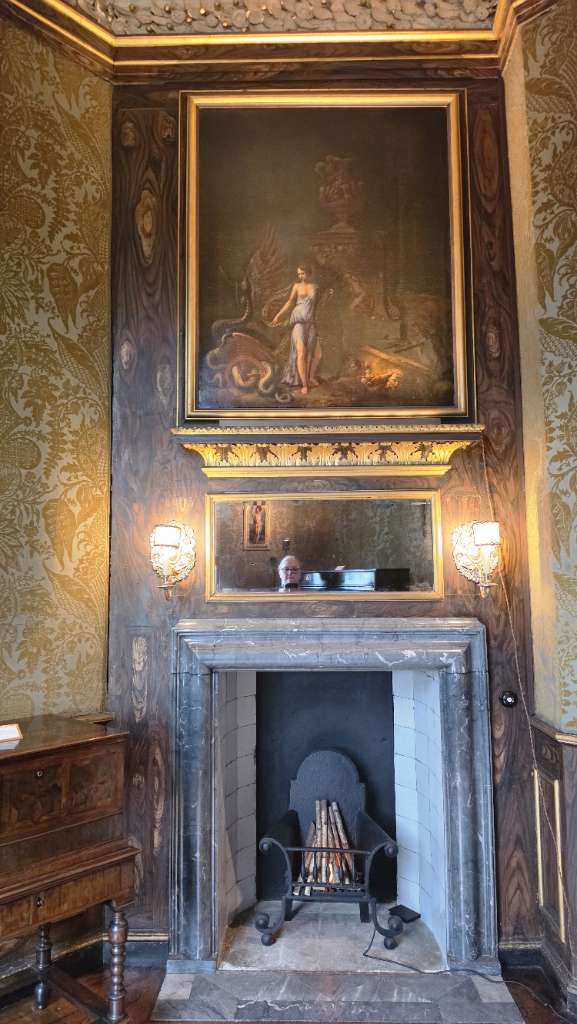
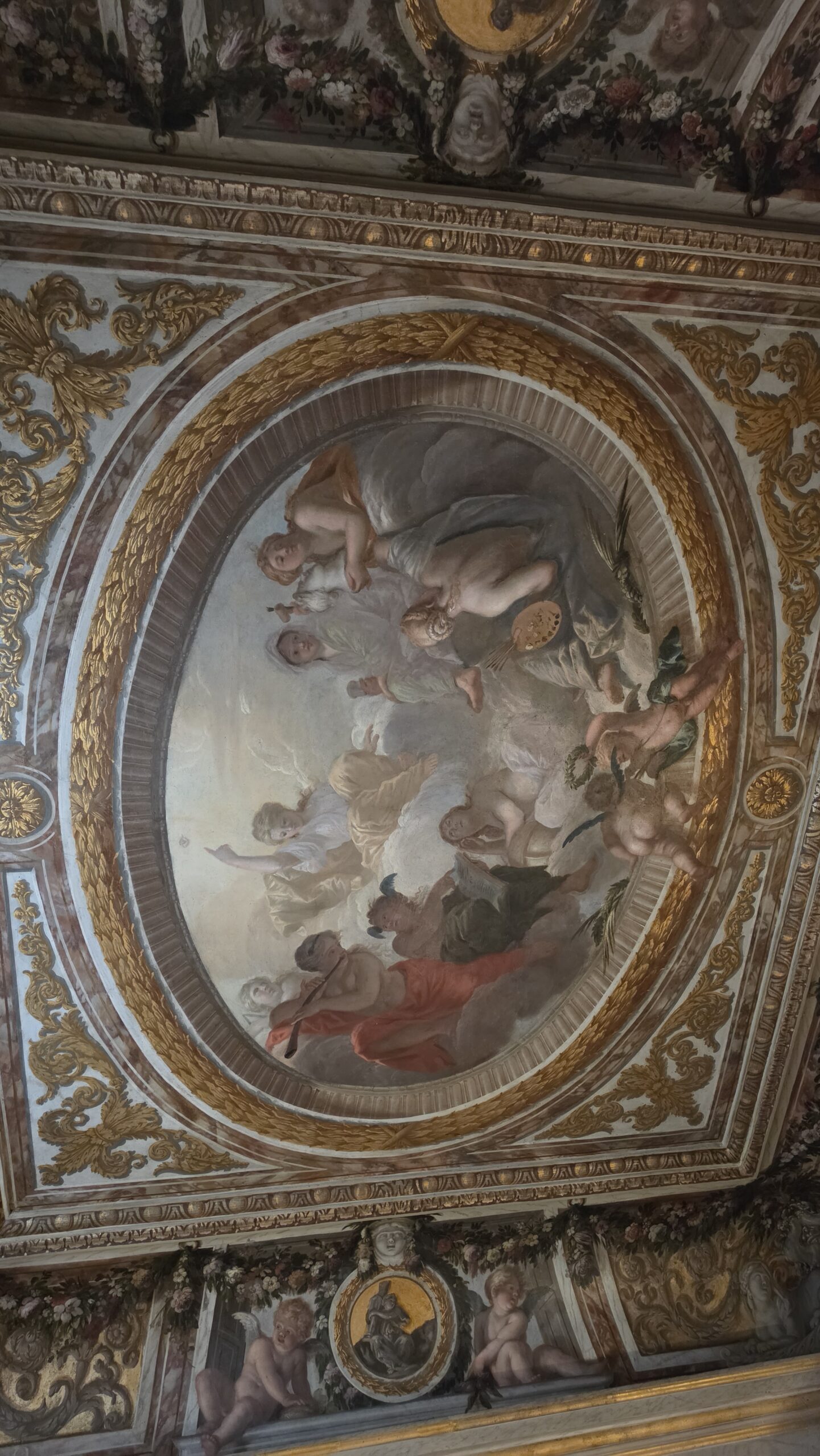
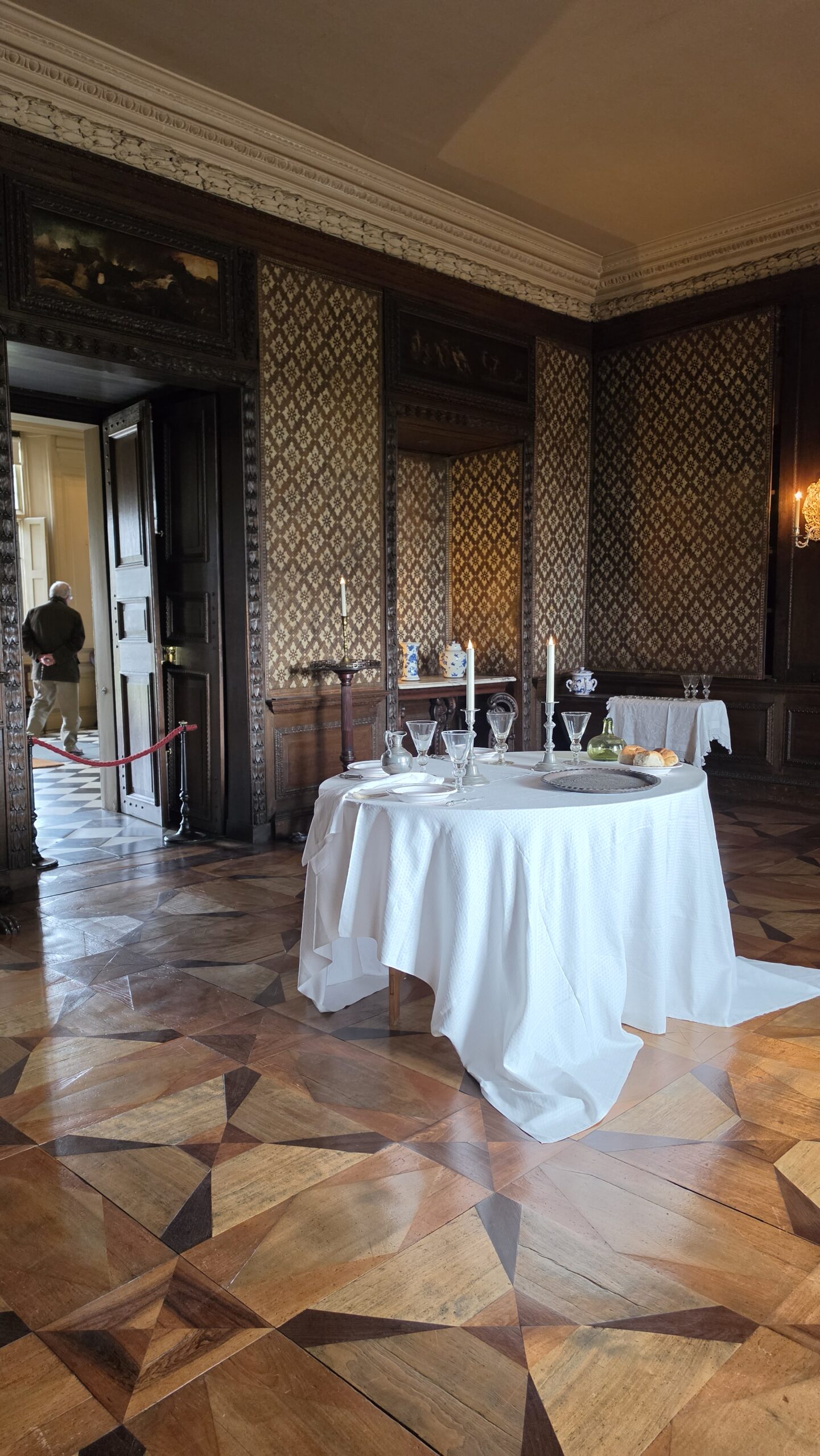
Inside, every room seemed to have something else to look at. Paintings, carved woodwork, old fireplaces, grand ceilings, thick doors and windows looking out over the grounds. Just when I thought I’d seen the most impressive room, there was another doorway leading somewhere equally fascinating.
I loved the little details as much as the showpiece rooms. An old washbasin, a cabinet, the worn timber floors and even a backgammon set caught my attention. It’s those ordinary objects, sitting among all that grandeur, that make me think about the people who actually lived there.
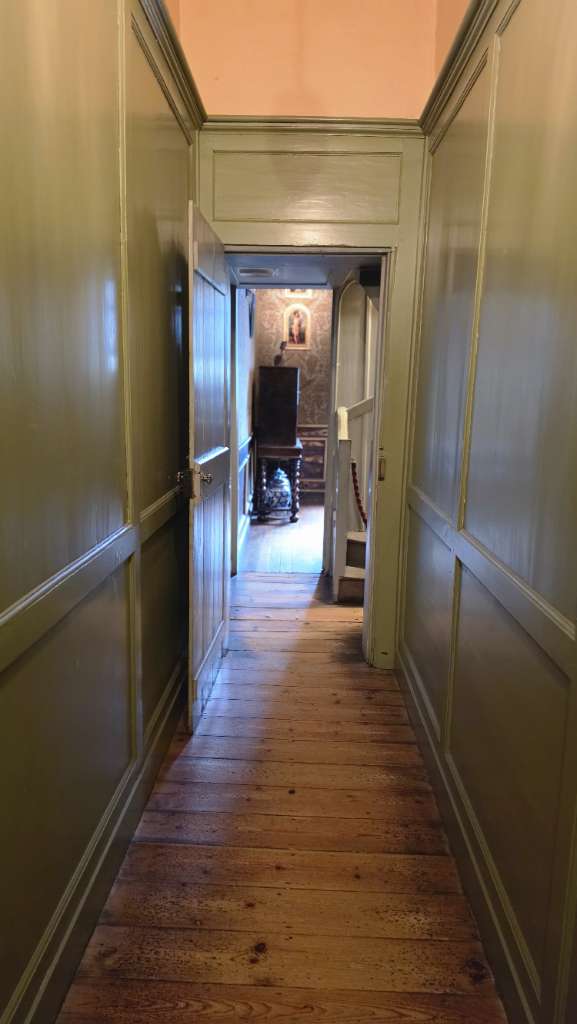
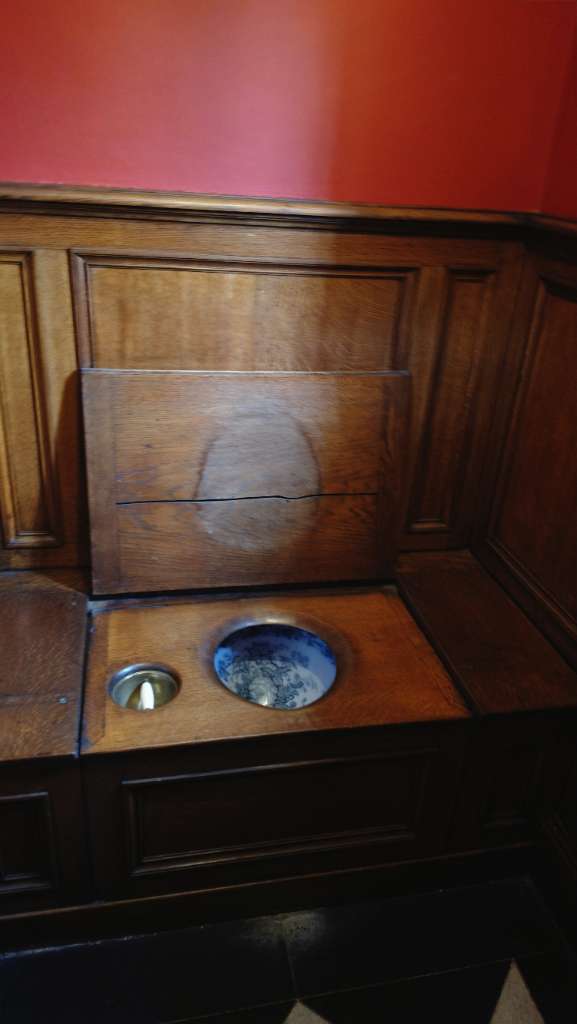
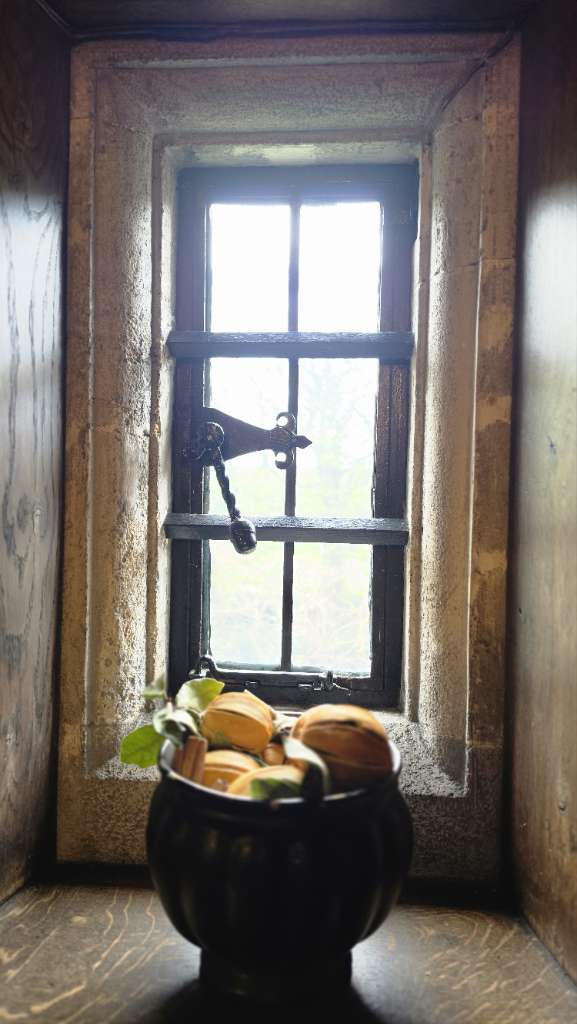
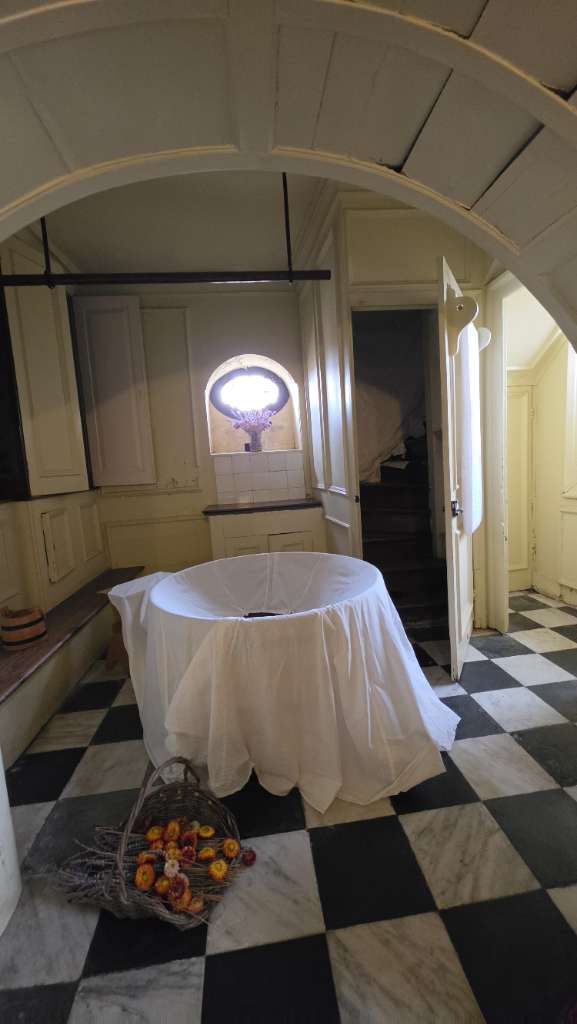
Bright historic hall with chequered floor and ornate ceiling.Richly decorated historic room with deep red walls and ornamental ceiling.View through a succession of doorways into decorated rooms.Dark panelled doorway opening into an ornate red historic room.Painted ceiling depicting figures in an ornate oval frame.A fireplace with an ornate mirror above it.Long narrow passage inside Ham House.Antique marble washbasin with brass taps.Small historic wooden cabinet with a round opening in the top.An old window with a deep sill.Aligned wooden doorways leading into successive old rooms.Long gallery with framed paintings and a wooden parquet floor.Ornate room with framed portraits above carved fireplace.Old wooden backgammon board and pieces displayed in a historic room.Looking down into the garden from an upstairs window.Another beautifully painted ceiling.A tapestry room with chairs set along the wall.A round table set with a white cloth.A large tapestry on a panelled wall.A painted ceiling panel in a gilded frame.An open door leading through to the service rooms.A long corridor downstairs.
And those staircases!
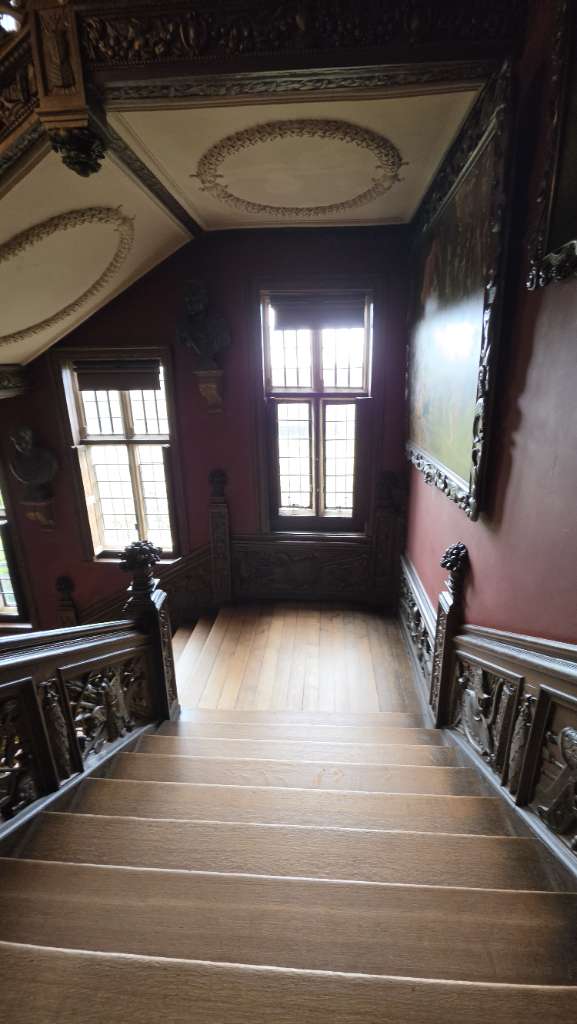
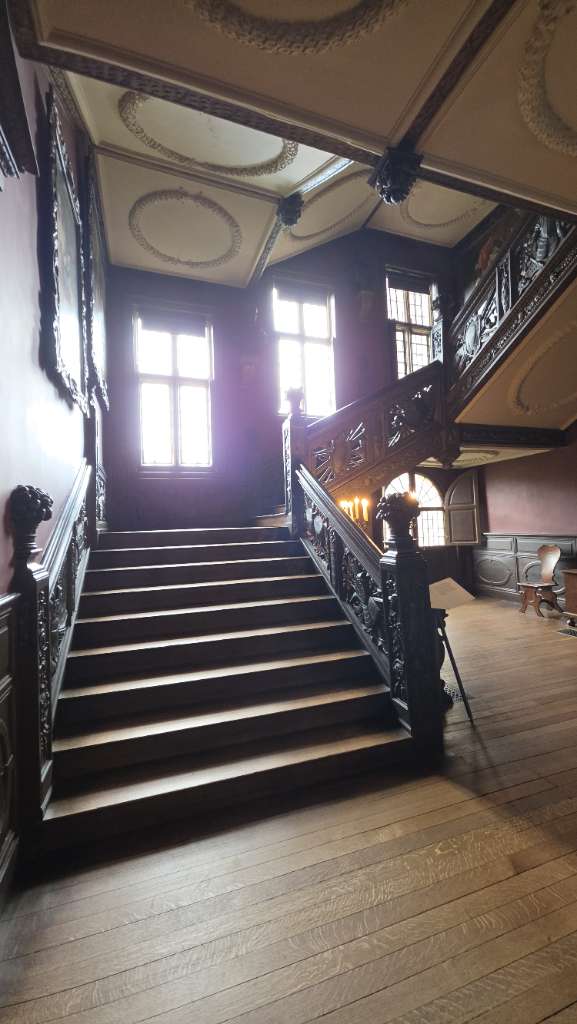
The staircases were phenomenal. Honestly, they were something else. Carved timber, sweeping flights of stairs, paintings all around and ceilings that kept drawing my eyes upwards. I spent half my time looking above my head. It’s difficult to imagine having a staircase like that in your own home.
Upper-floor landing with decorative balustrades and painted portraits.Wide staircase at Ham House with tall windows at the landing.Ornately carved wooden staircase with paintings in Ham House.Staircase rising to large leaded windows with wood panelling.
Downstairs was a whole different world
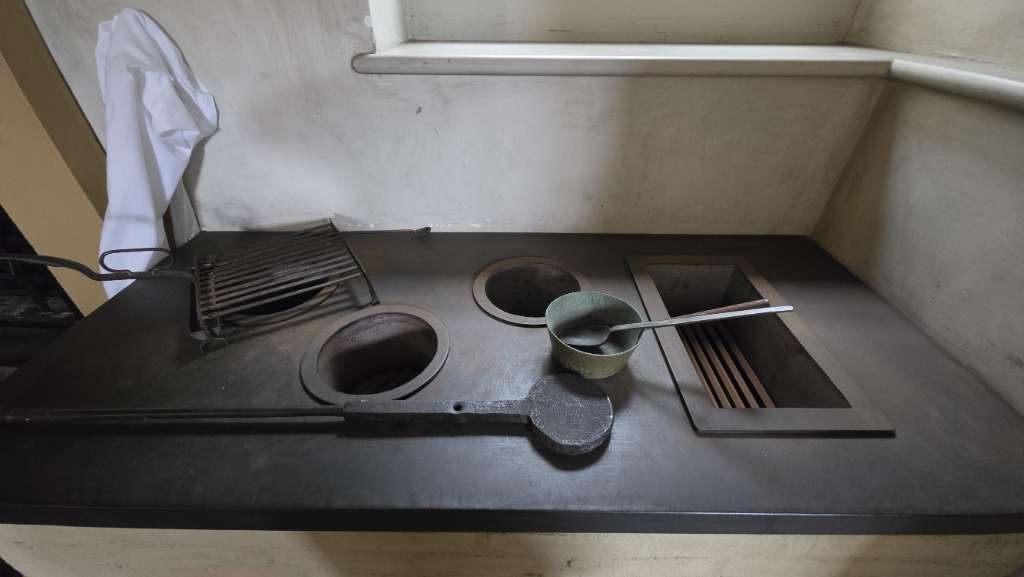
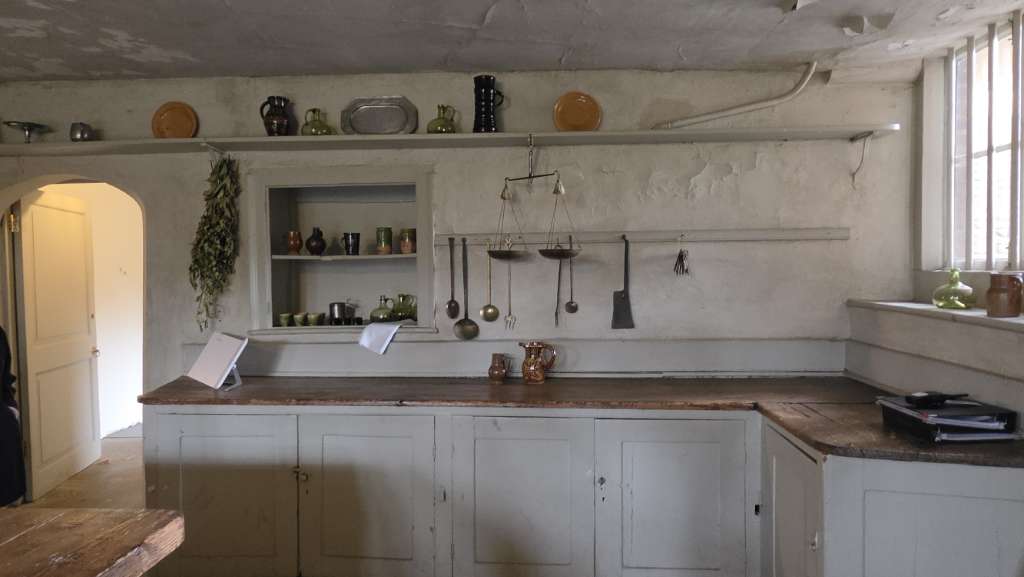
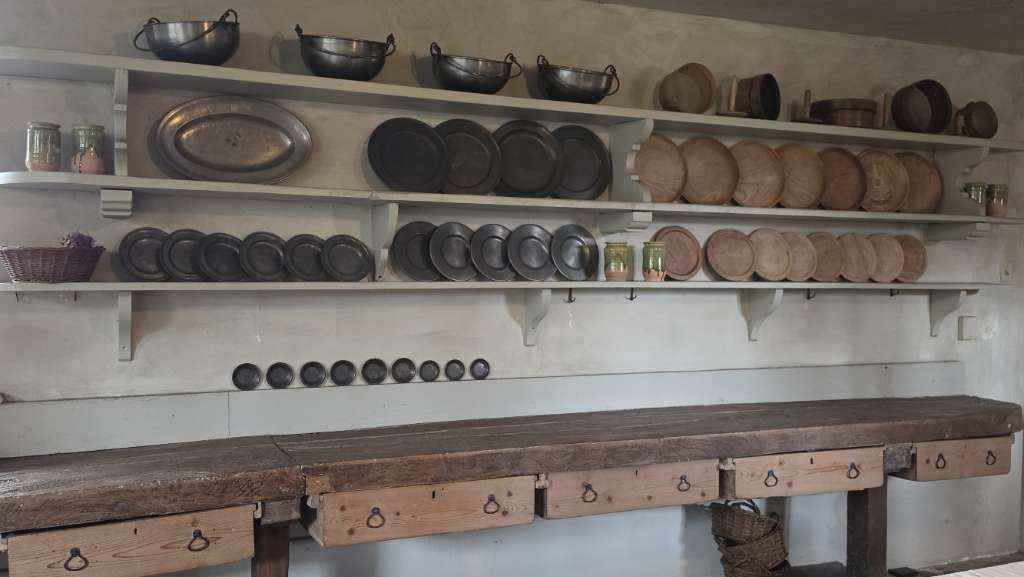
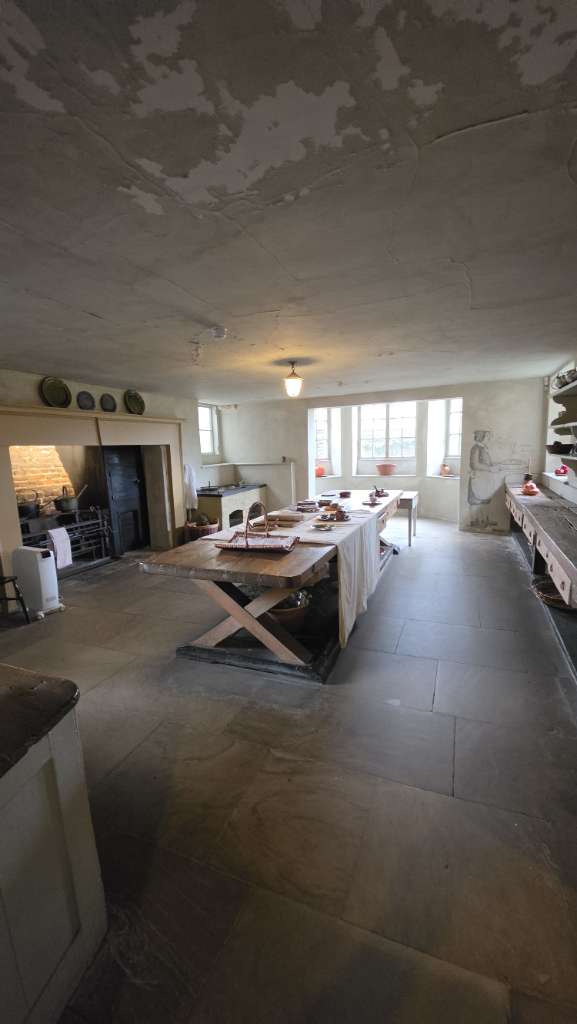
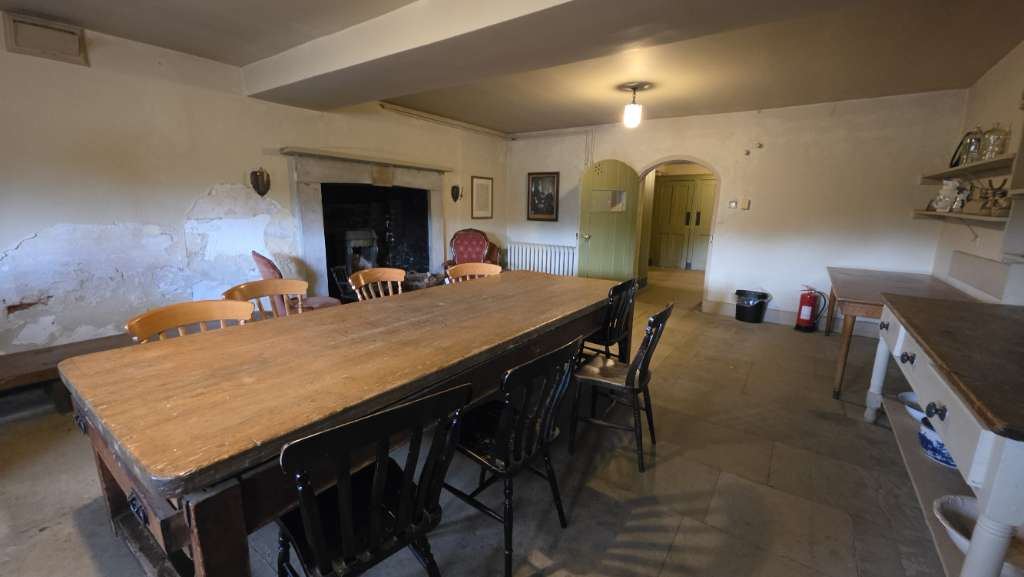
One of the most interesting parts was seeing the contrast between the grand rooms and the working parts of the house. Downstairs were the old kitchens and service rooms, with worktables, cooking ranges, pots, pans, crockery and shelves. Some of the fireplaces were enormous.
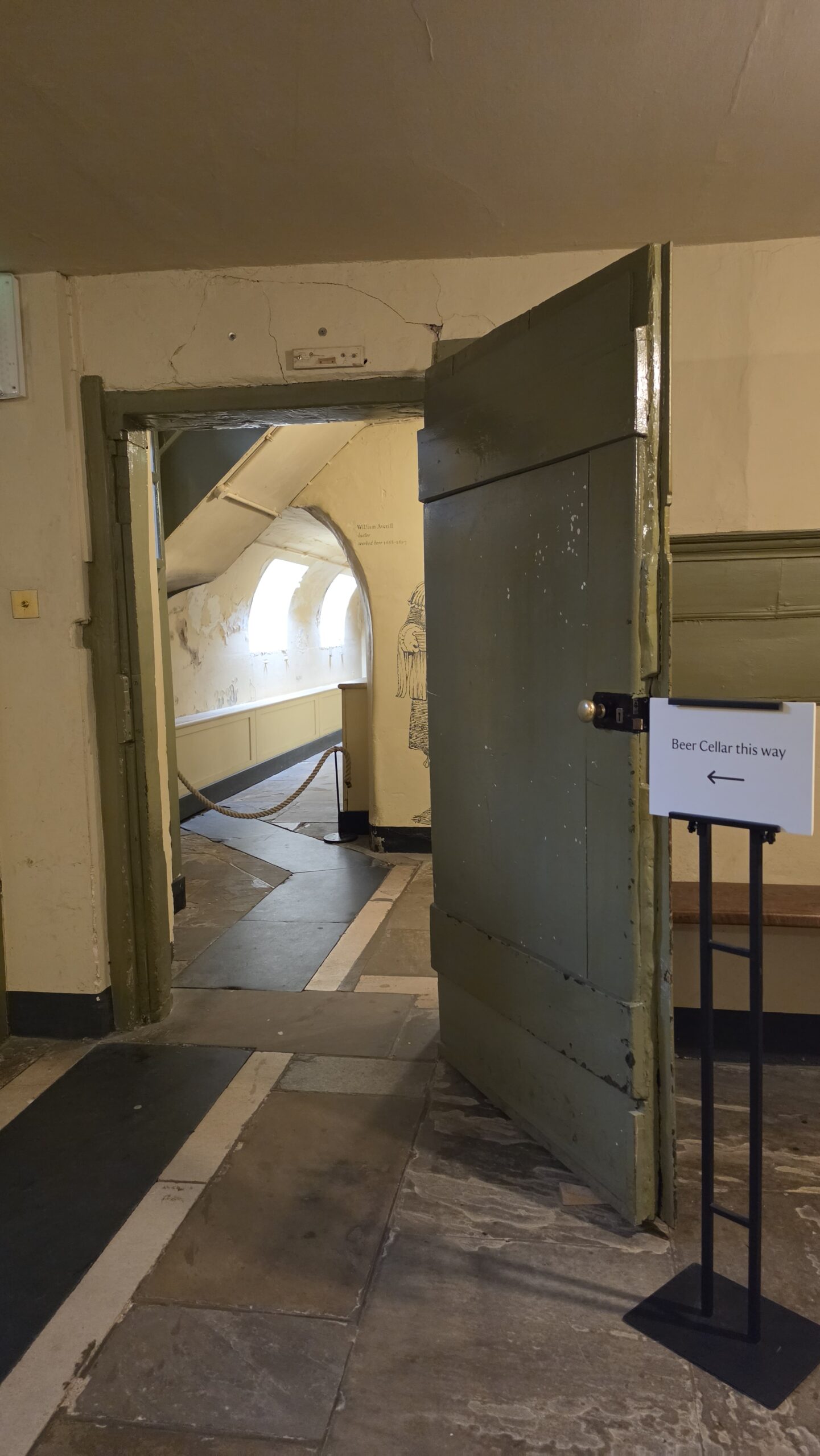
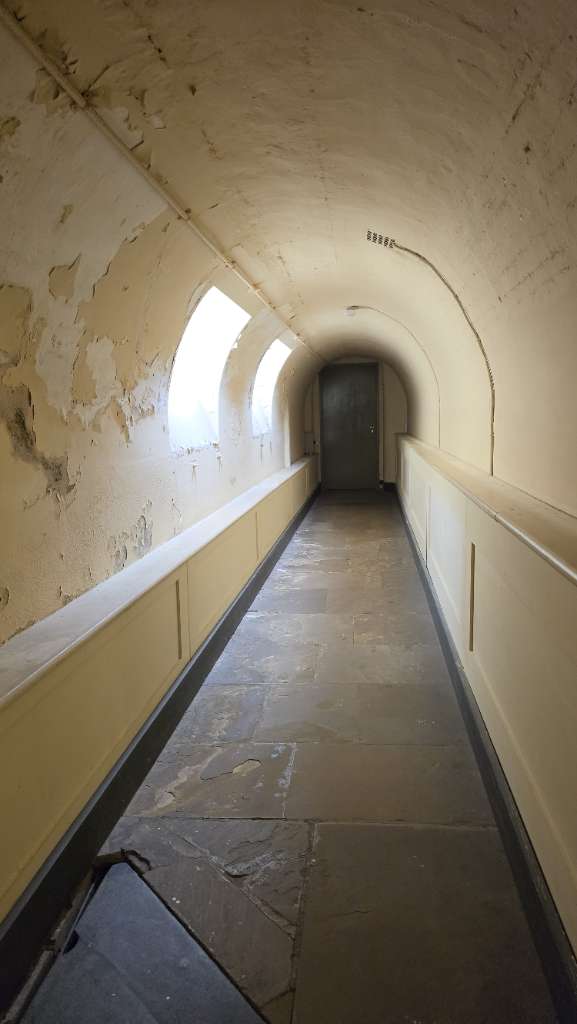
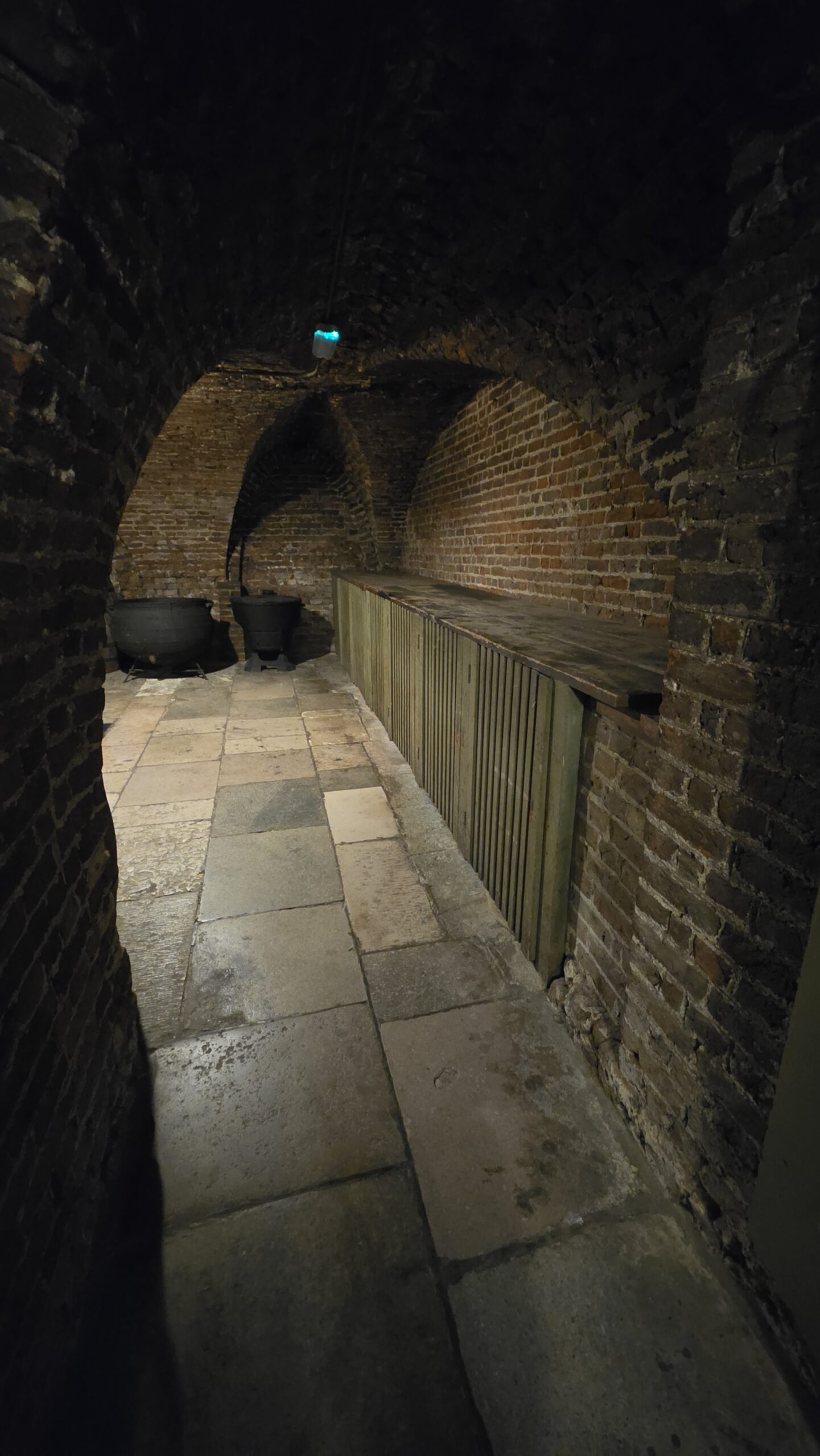
And then there were the cellars. Arched brick ceilings, heavy tubs, storage spaces and corridors that seemed to go on and on. You could really see how much work went into keeping a house like this running. It wasn’t all portraits and fancy furniture, that’s for sure.
Traditional kitchen room with wooden tables and cooking equipment.Old kitchen work area with basket and household tools.Kitchen display with historic utensils and an interpretive sign.Recreated historic kitchen worktable with linen and vessels.Cast-iron cookware hanging above an old brick cooking range.Old iron range top with several cooking holes and metal pots.Historic iron cooking range beneath a small window.Historic whitewashed kitchen lined with shelves and cooking utensils.Shelves filled with historic crockery and pans beside a long workbench.Traditional cooking range in a brick-lined fireplace.Another view of the old kitchen.A kitchen room with baskets and tools.A cupboard of dried herbs and kitchen stores.
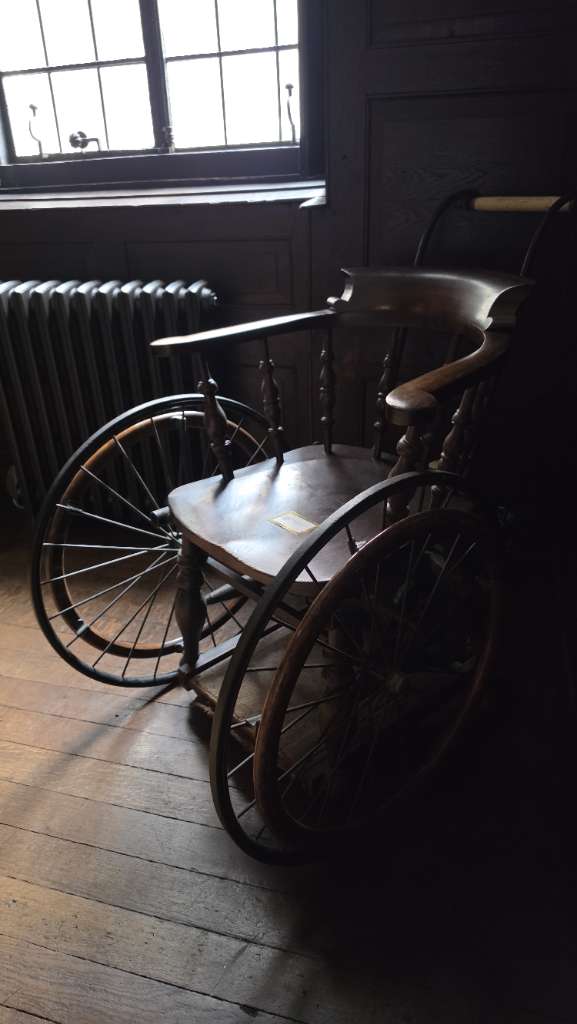
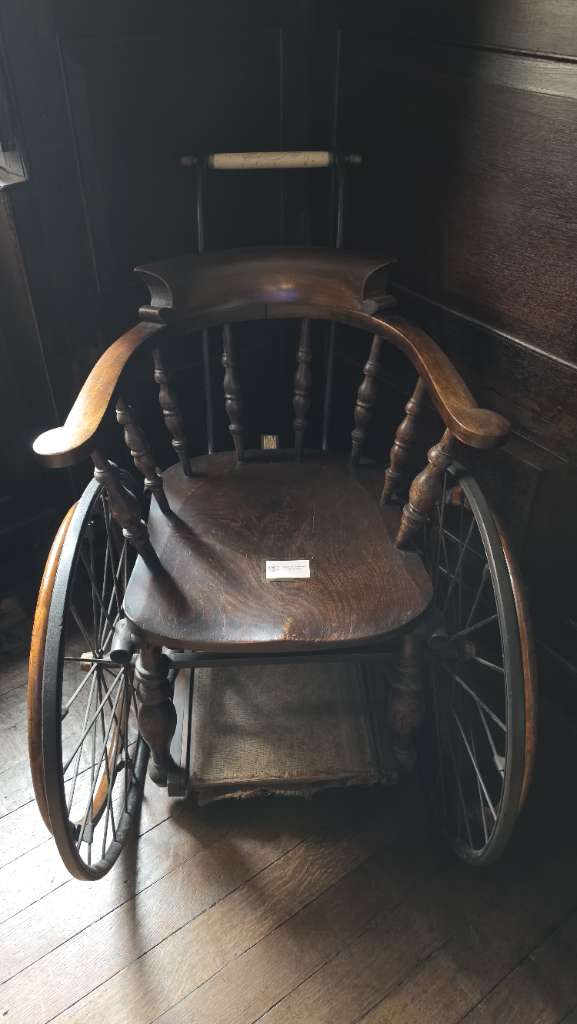
I also found an old wheelchair and photographed it from both sides. It’s the unexpected little pieces of everyday history that I always seem to remember just as clearly as the grand rooms.
Long historical kitchen room with wooden tables.Small service room with chequerboard floor and arched doorway.Large servant’s kitchen with wooden dining table and practical furnishings.Long wooden worktable in a historic service room.Brick-vaulted cellar with large storage barrels and wooden table.Historic brick cellar containing old tubs, barrels and large pots.Low arched cellar with shelving for storage.Narrow arched corridor under Ham House.Antique wooden wheelchair with large spoke wheels near a window.Antique wicker-seated wheelchair viewed from the front.A dark arched passage in the cellars.A small window set into the old brick wall.
Back outside into the gardens
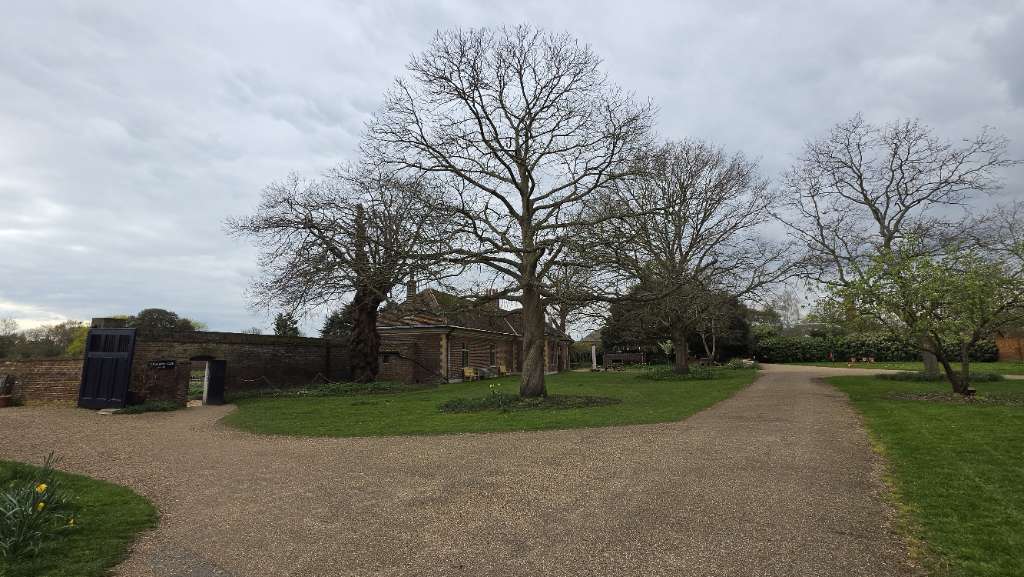
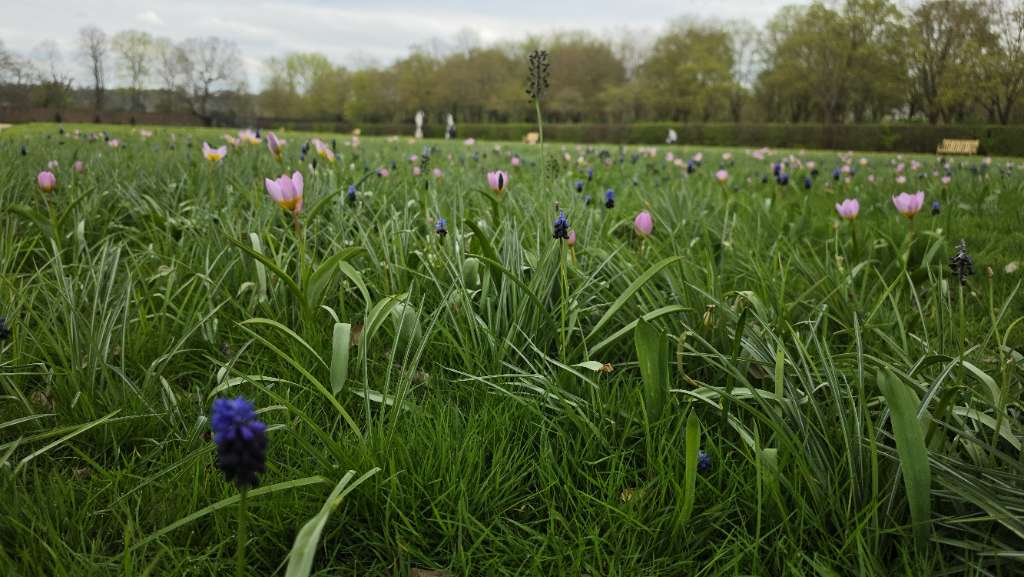
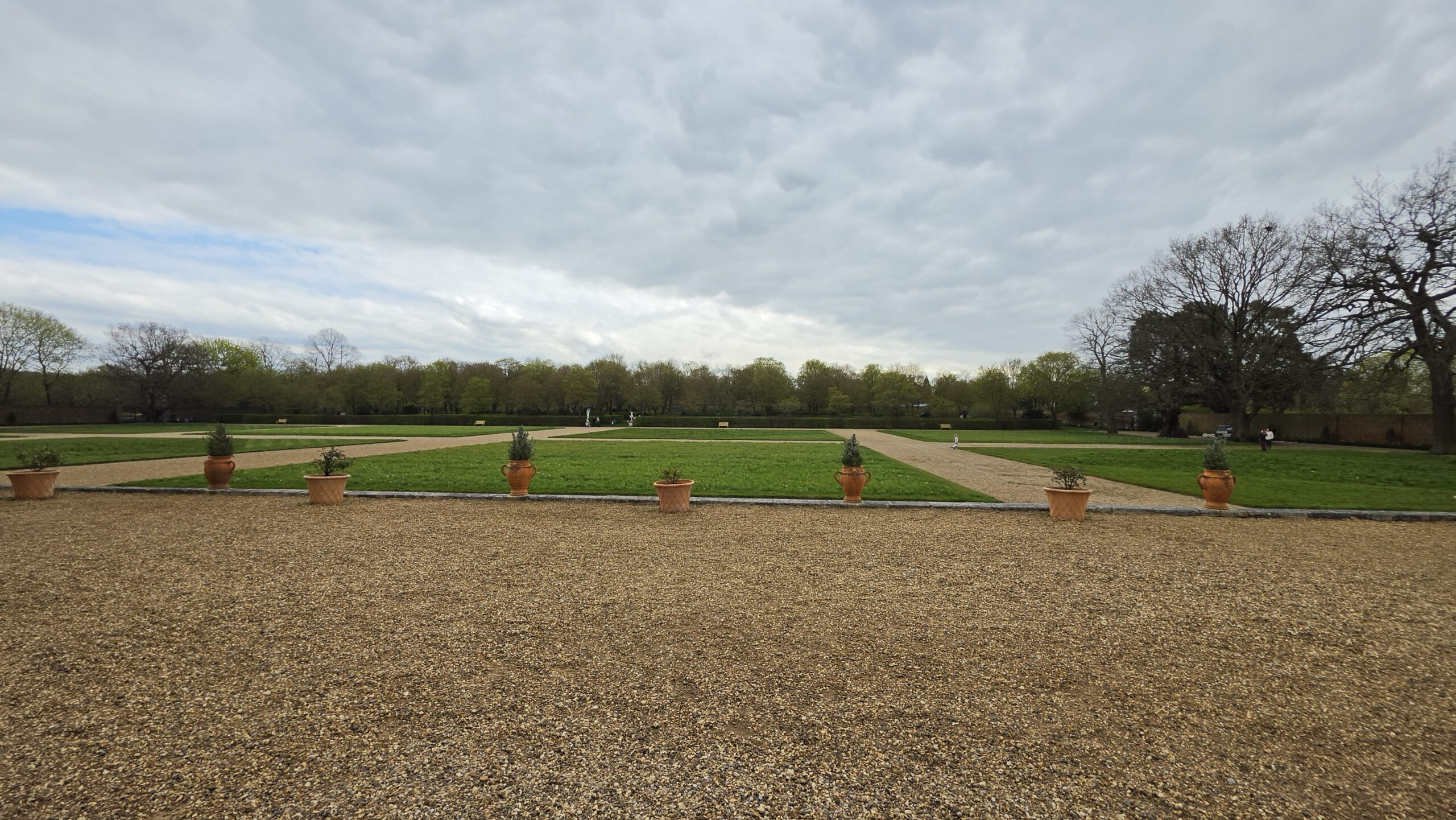
After all those rooms, corridors and staircases, it was lovely to get outside again. The gardens were dotted with spring flowers, from pink tulips to bright orange blooms and little clusters of purple flowers. There was something interesting around practically every corner, including old brick walls, doorways and garden paths.
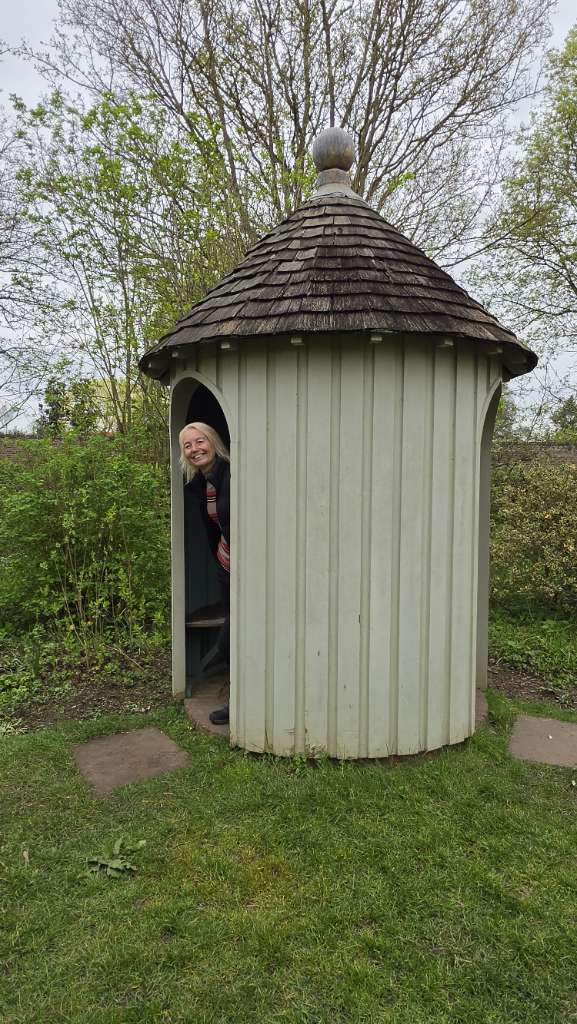
And there was that funny little round garden hut. Someone popped their head out of the doorway for a photograph, which gave us a laugh. It’s one of those small, silly moments you remember long after the visit.
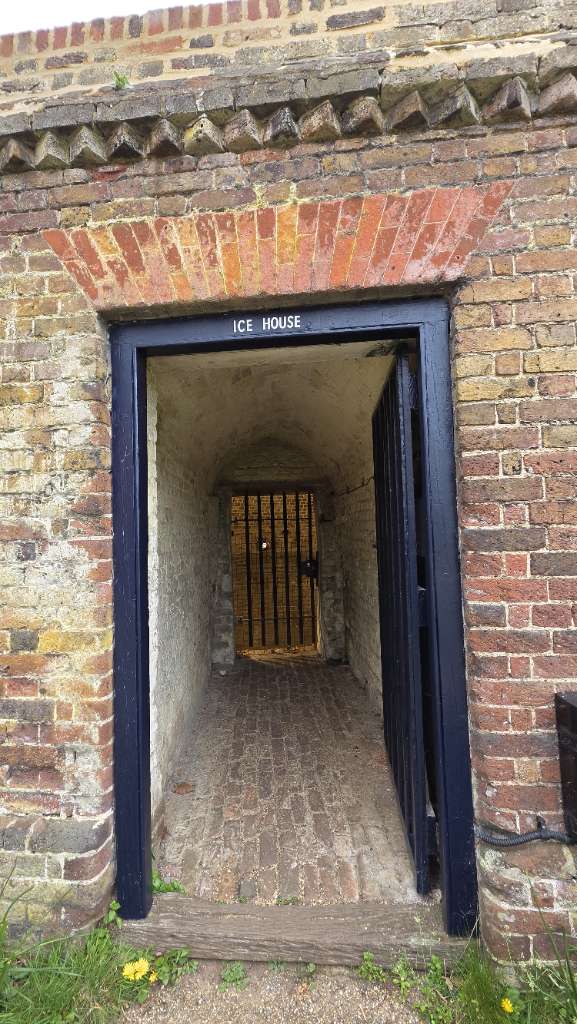
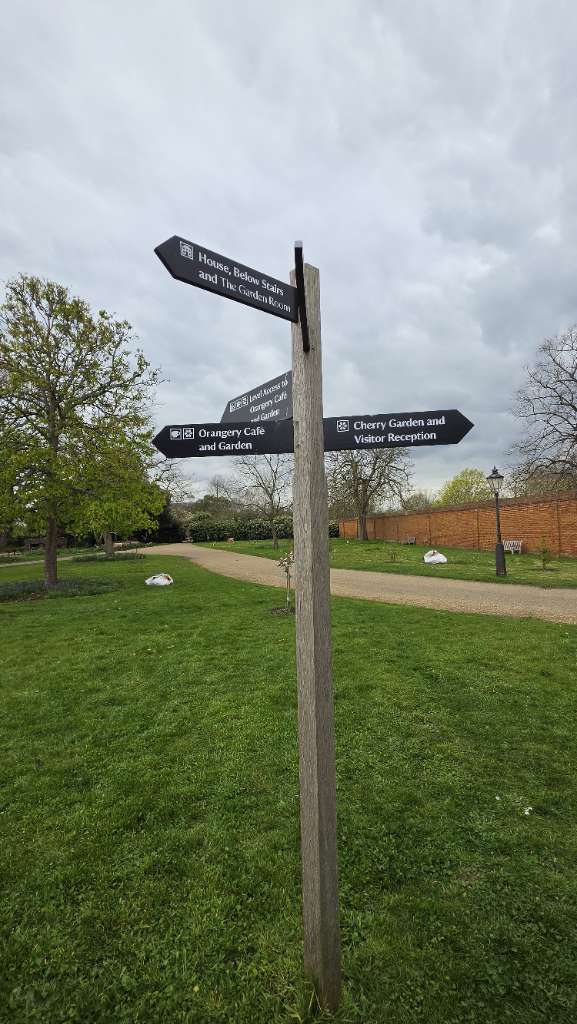
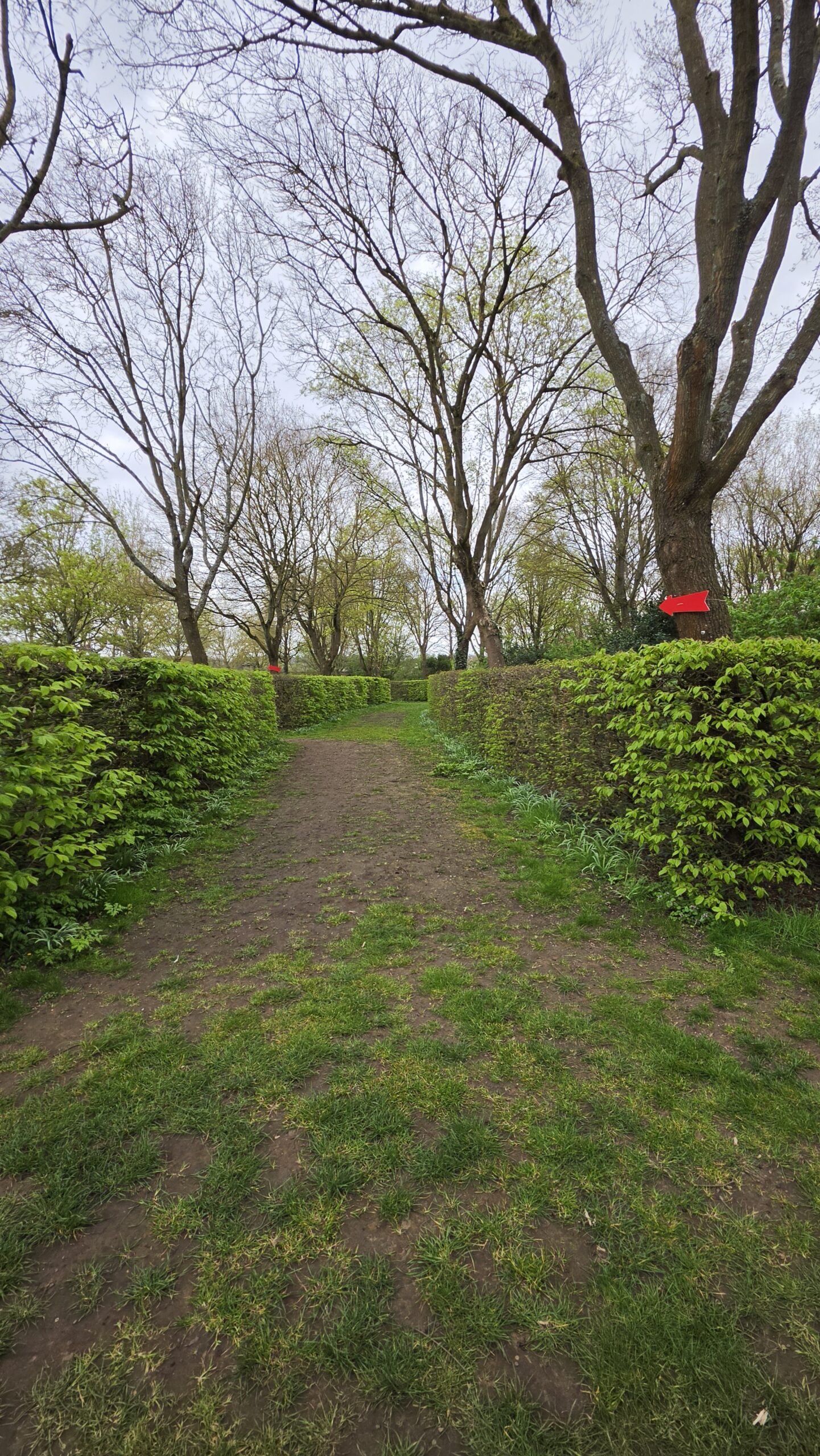
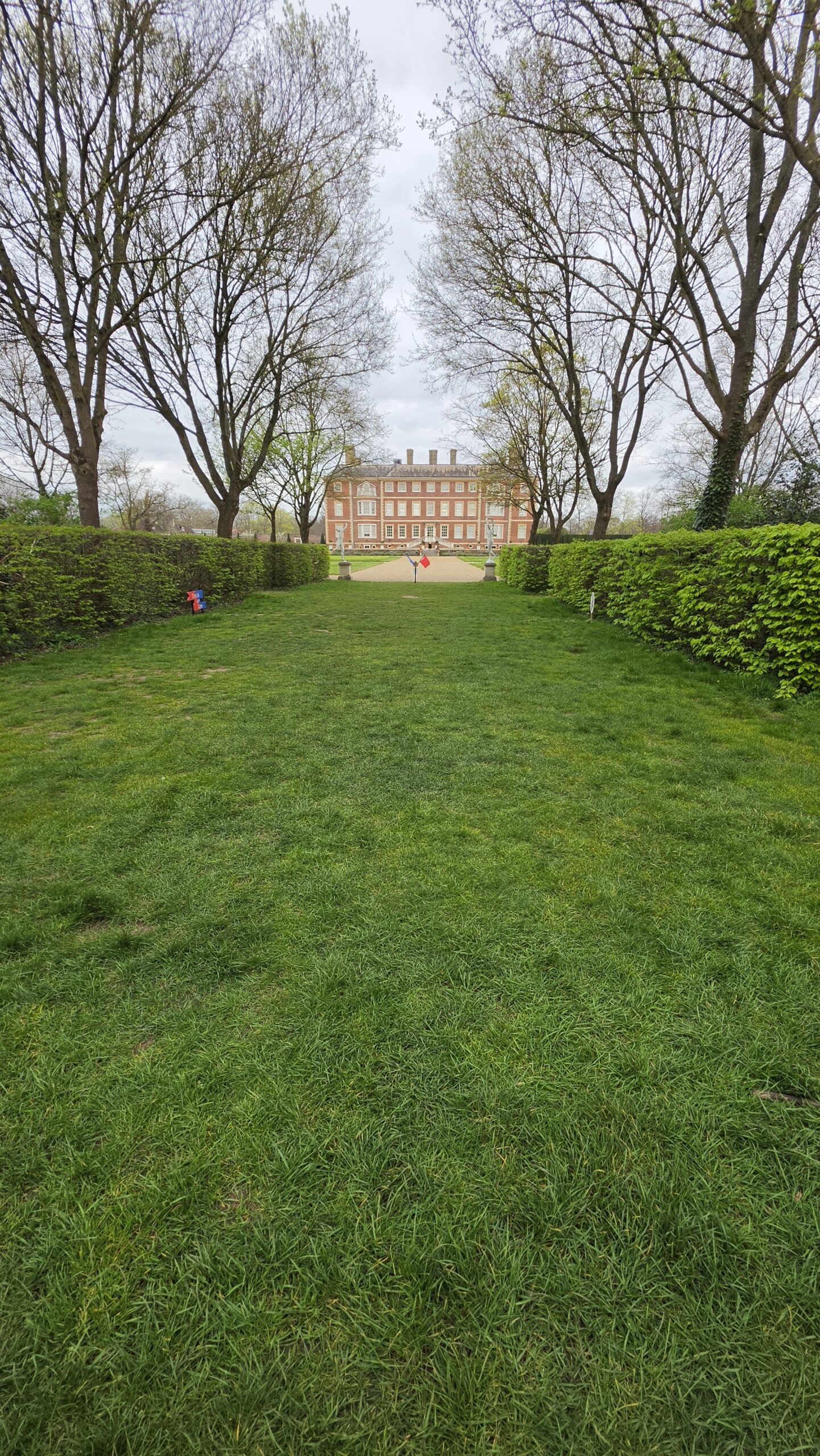
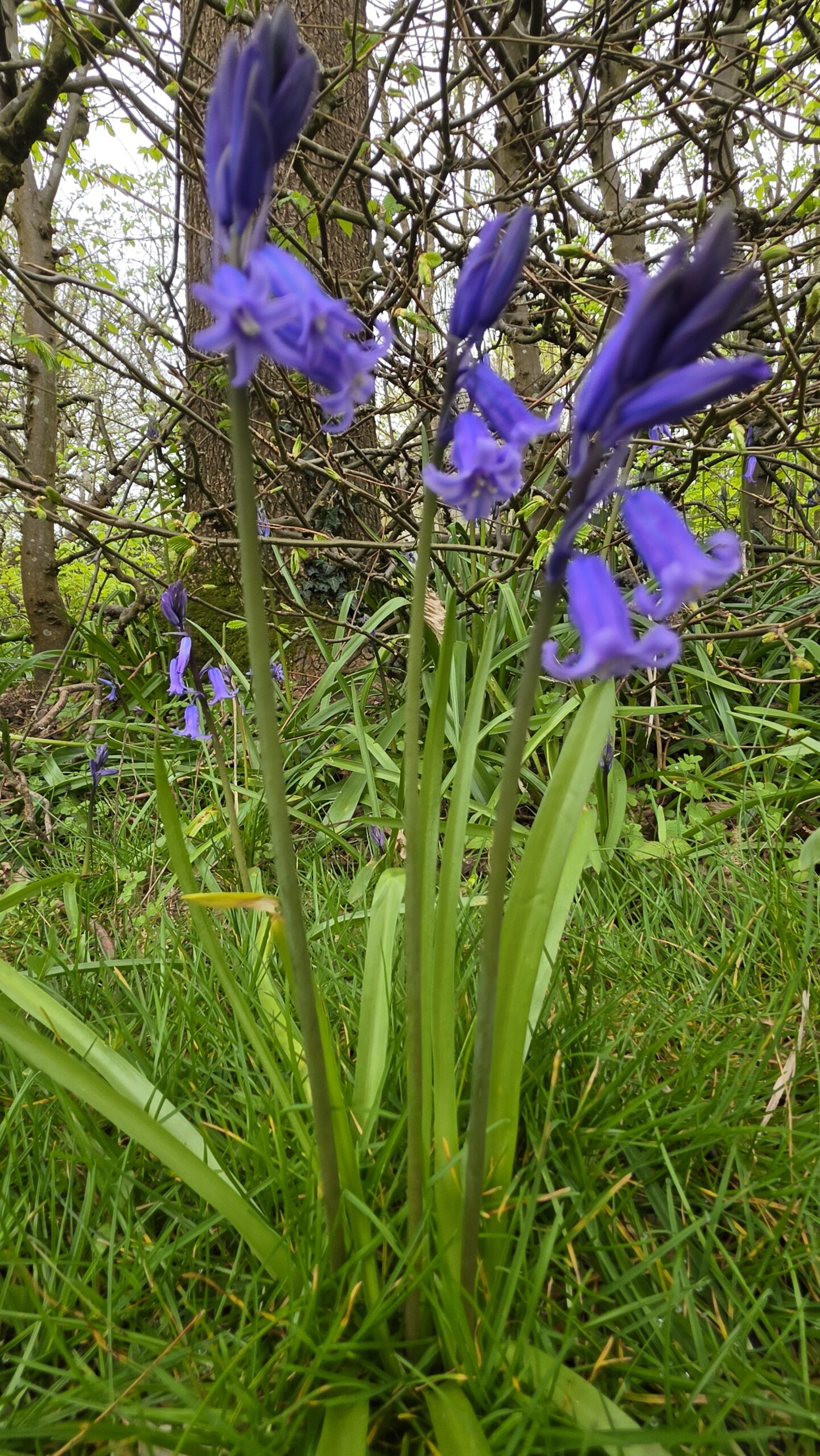
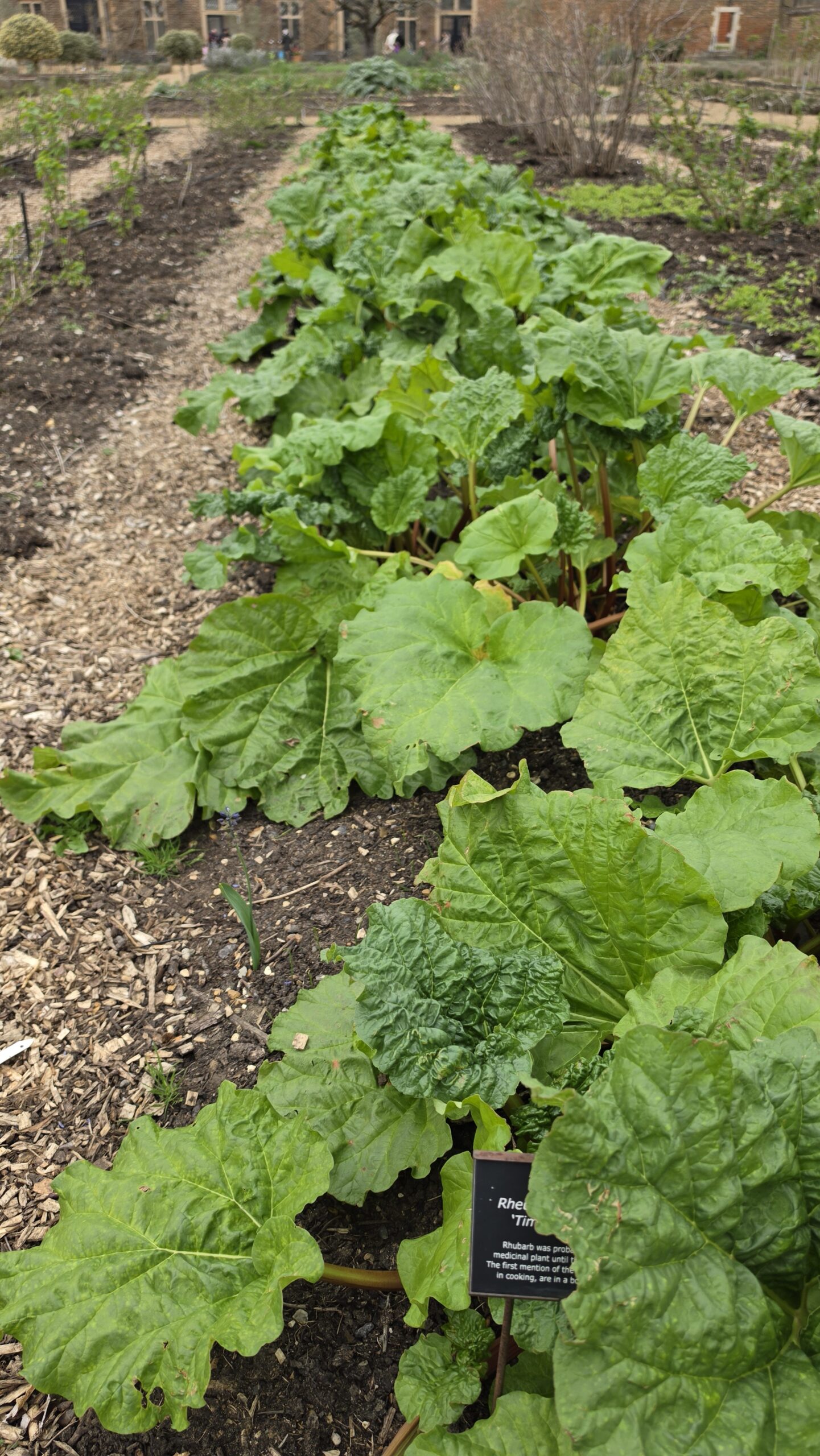
An open gate set in a brick arch leading into the garden.Stone sculpted bust mounted high on a brick garden wall.Open doorway in an old red brick garden wall.Wooden directional signpost in the gardens.Grassy garden with young spring trees and purple flowers.Close view of vivid purple grape hyacinths in the garden.Garden path winding between large trees and planted beds.Spring flowers scattered across long grass in the garden.Orange crown imperial flowers beside an old brick wall.Tall orange spring flowers against brickwork.Pink and white tulips in a garden bed.Small round wooden garden hut with a person appearing in the doorway.A little timber garden hut under bare-branched trees.Plants for sale under colourful bunting near the house.A cobbled path leading out to the gardens.Looking across the gardens from the house.Neat cone-shaped hedges and spring flowers along the garden wall.A close-up of the orange crown imperial flowers.Ham House across the lawn, framed by bare branches.A grassy path between hedges.A long green walk leading back towards the house.Garden rooms edged with low hedges.Bluebells in the garden.Rows of vegetables in the kitchen garden.The leafy path on the walk home.
So there you have it. A long walk that briefly made us wonder whether we’d gone the wrong way, an extraordinary old house, kitchens and cellars full of history, and staircases that were absolutely magnificent. I’m still amazed at just how old some of these places are. And yes, I took a ridiculous number of photographs. As you can probably tell!