Day Two, during our Reigate house sit | Surrey, England | Spring 2026
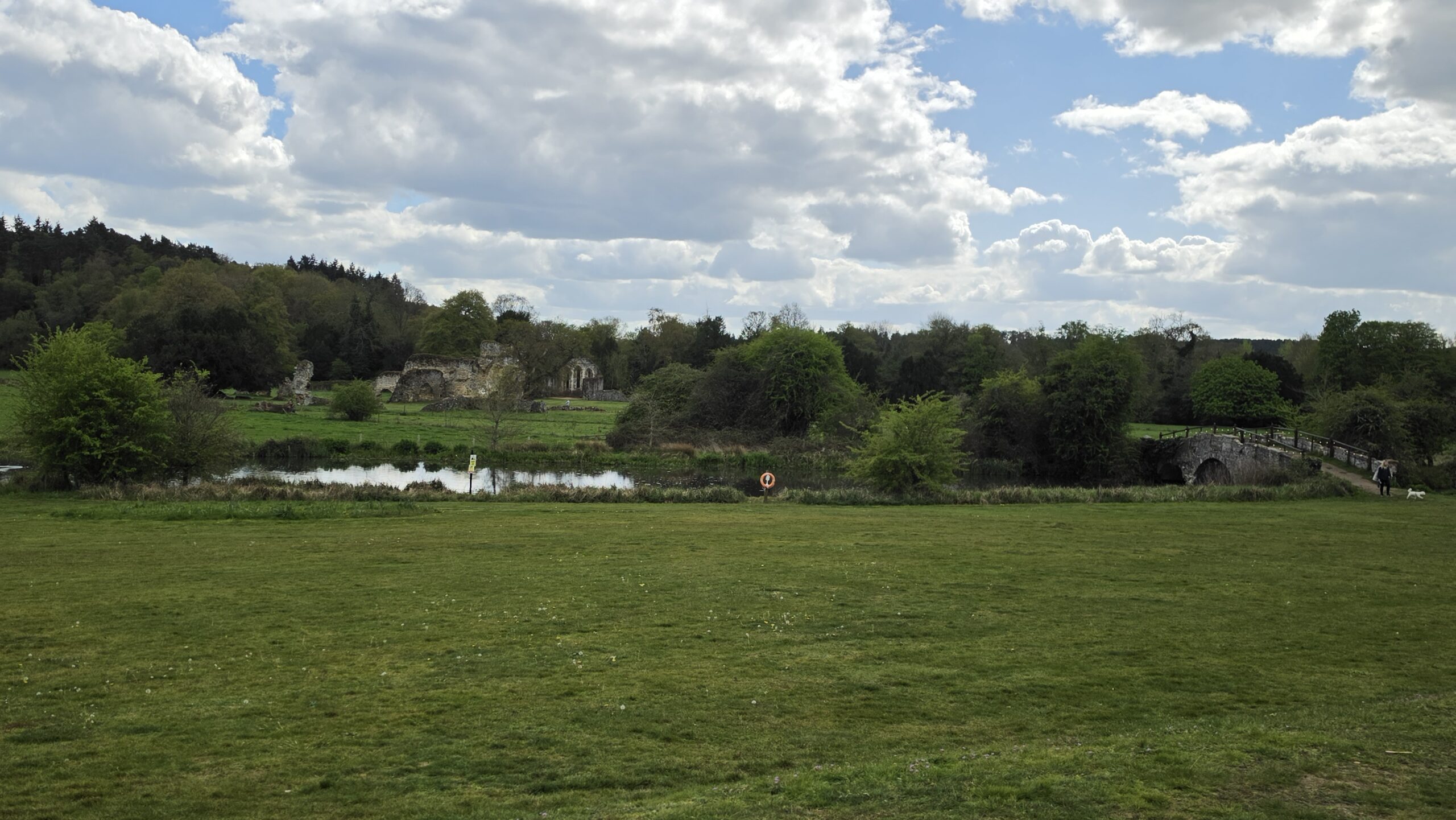
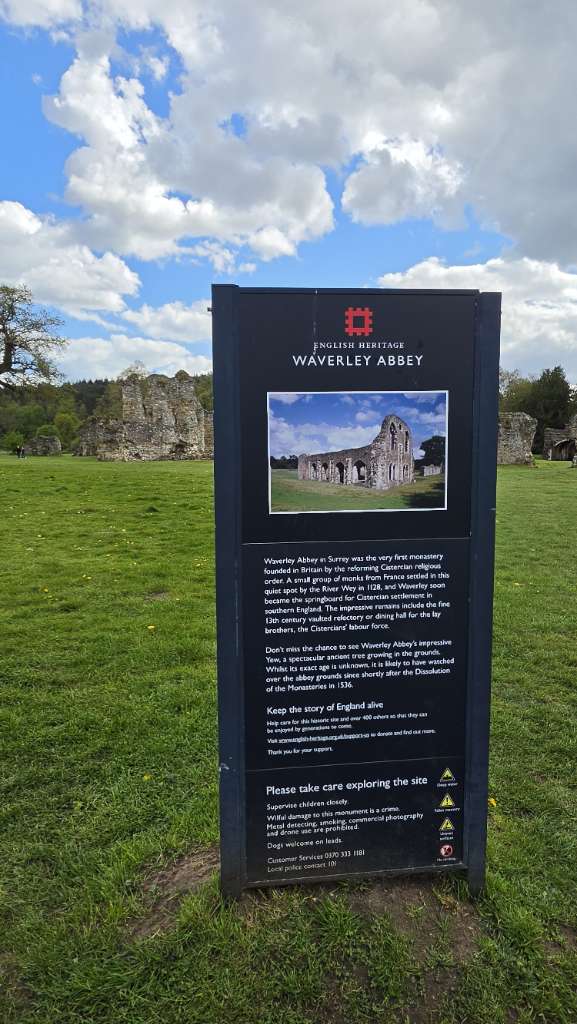
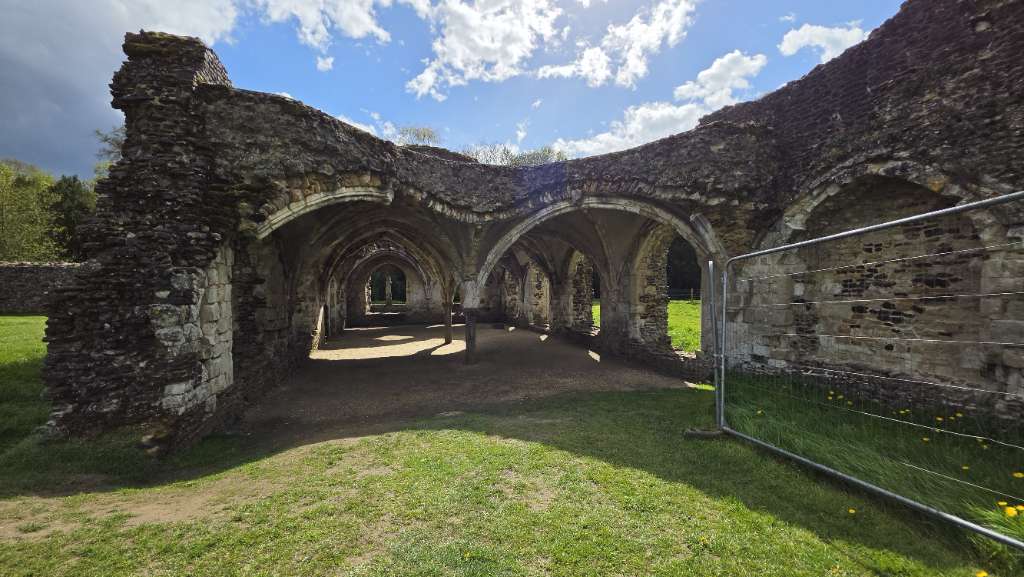
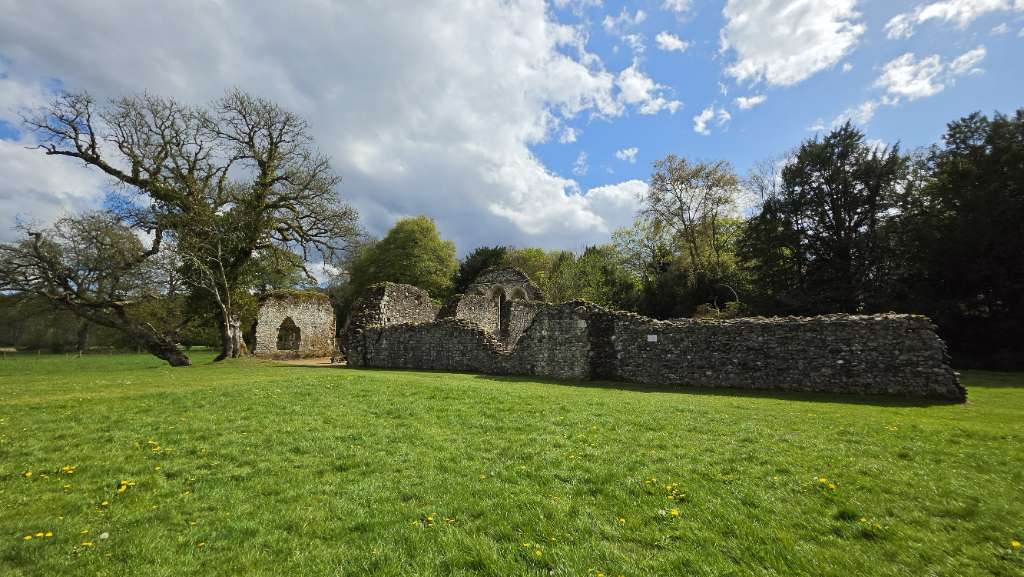
After settling in at Reigate and meeting Kevin the cat, we were out exploring the next day. One of the places we visited was Waverley Abbey, near Farnham. It was such a peaceful spot, with old stone walls rising out of the grass, enormous trees, and enough history to make you stop and think about how many people had walked through those arches before us.


Nearly 900 years of history
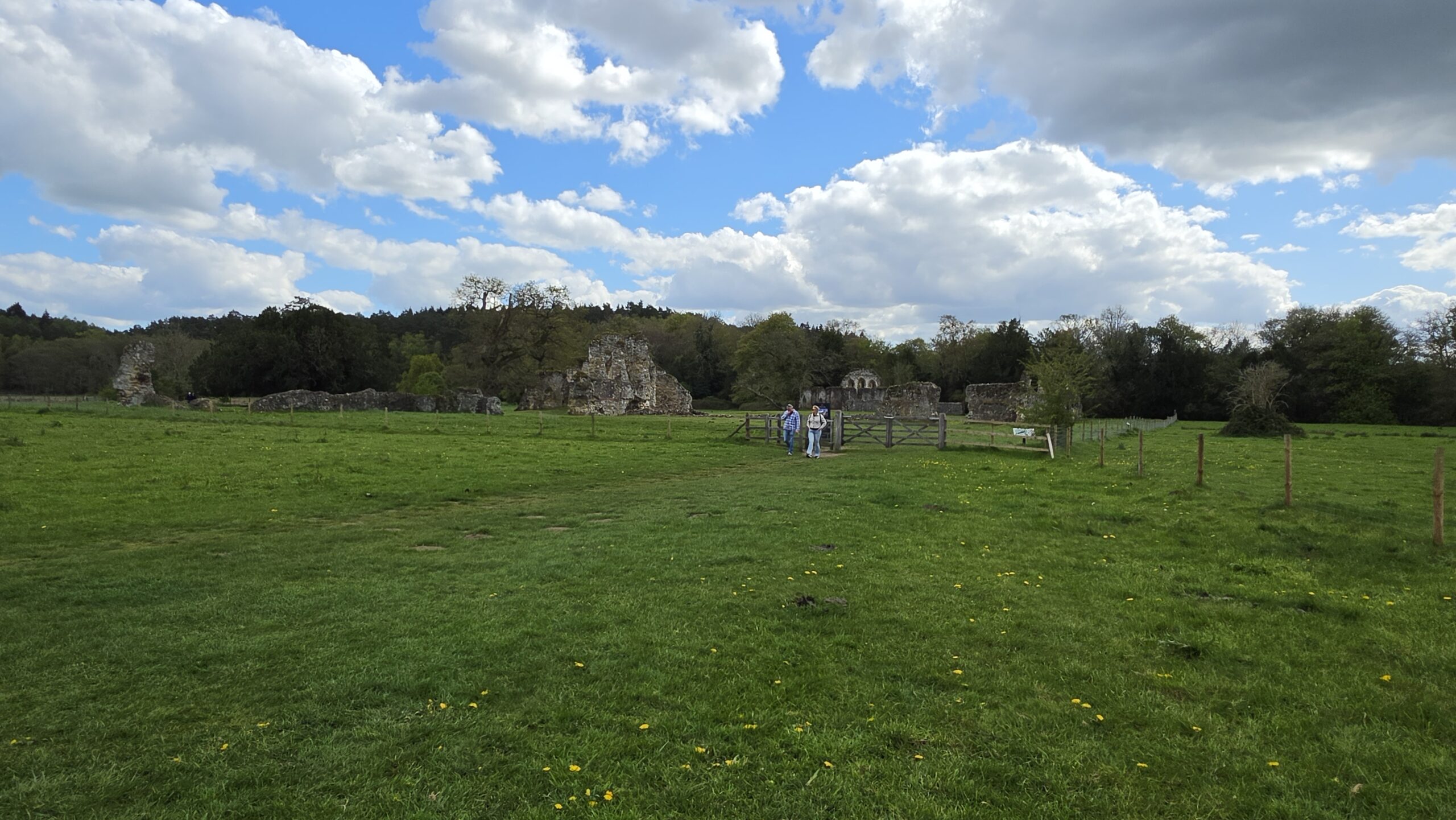
Waverley Abbey was founded in 1128 and was the first Cistercian monastery in Britain. The first community consisted of 12 monks and an abbot from France. It survived floods, grew into a substantial abbey, and eventually came to an end in 1536 when Henry VIII dissolved the monasteries. Much of the stone was taken away for other buildings, but some remarkable sections remain.
And the best part? There was no admission charge. I have paid to visit places that left far less of an impression on me.
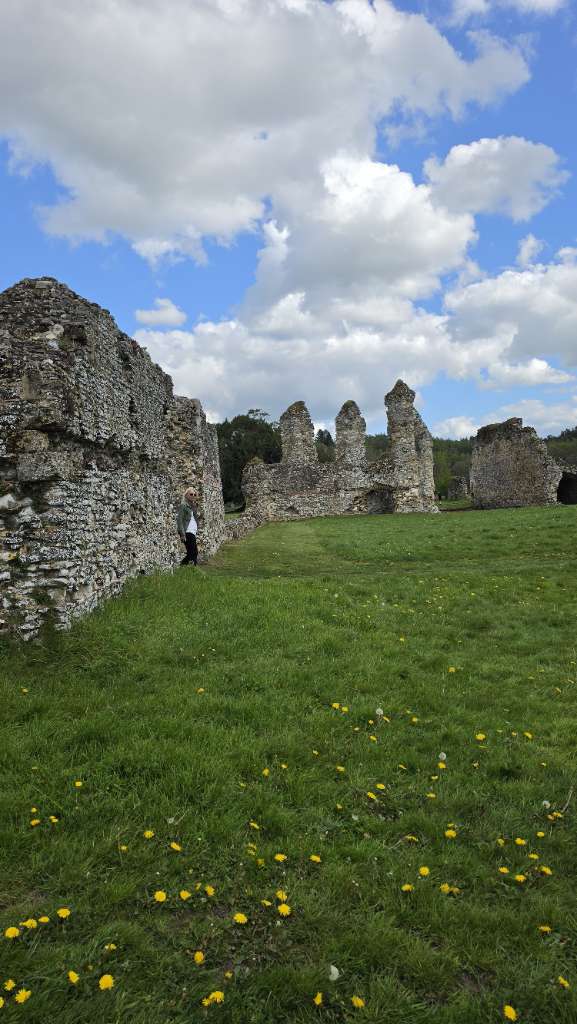
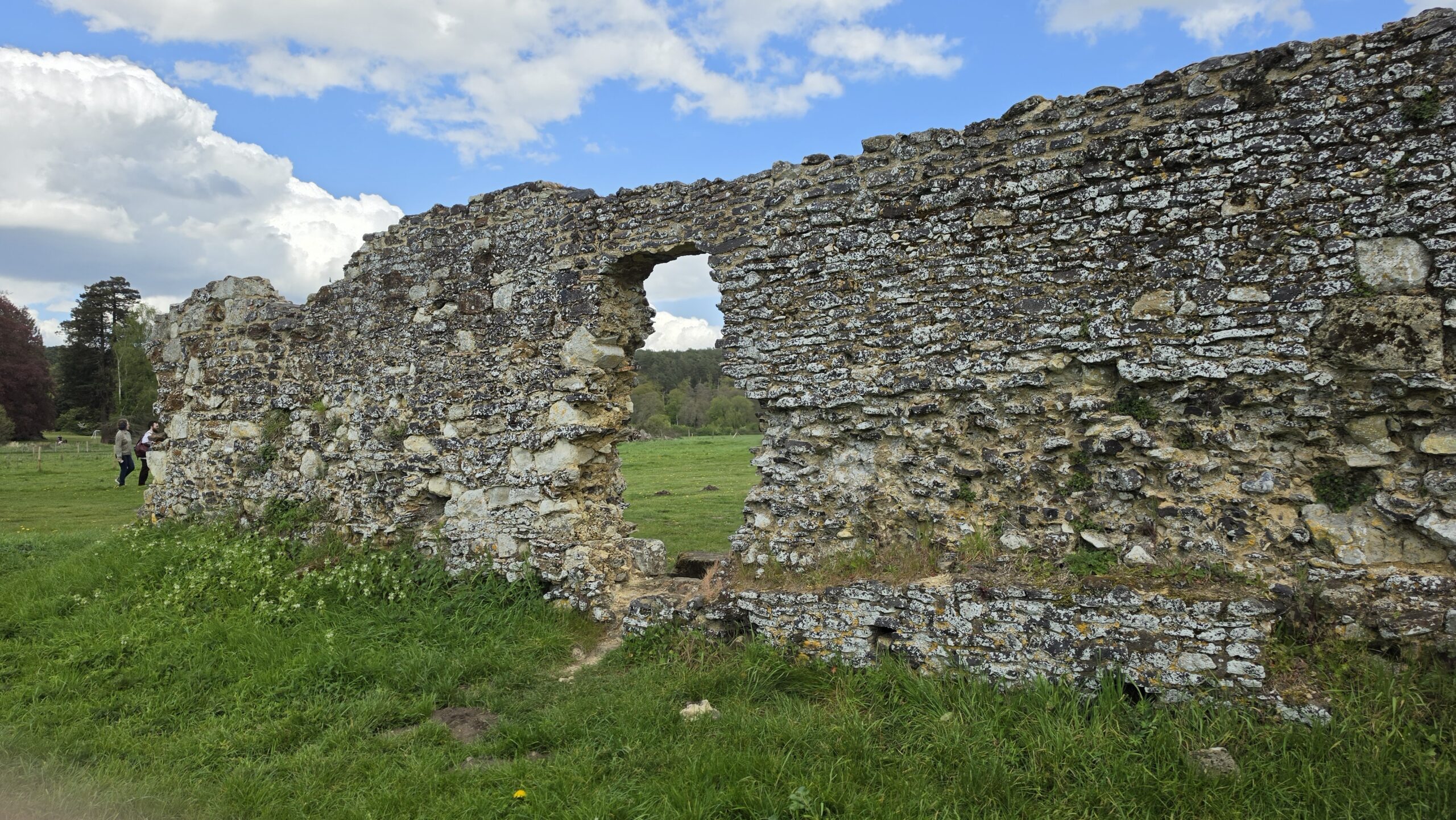
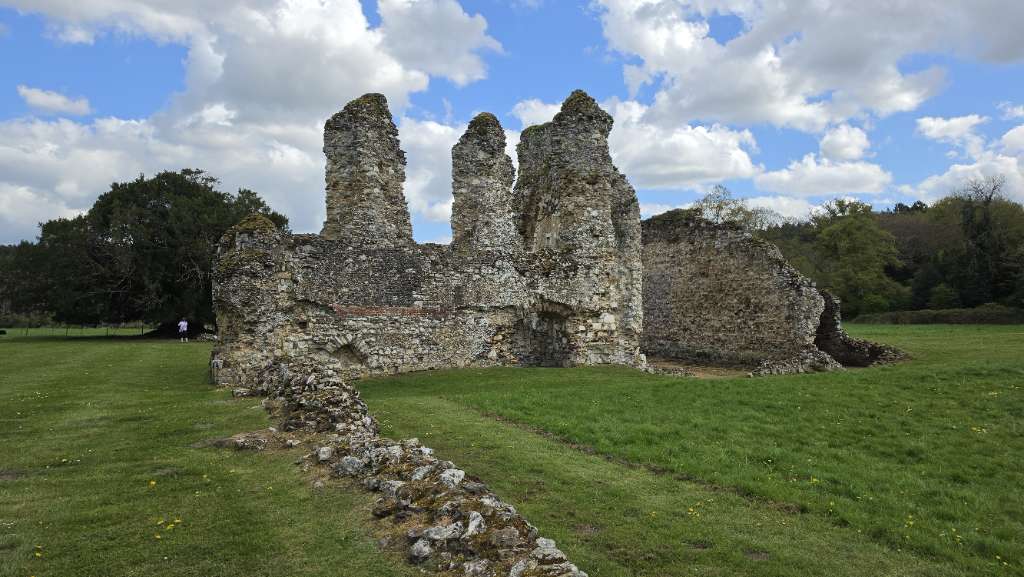

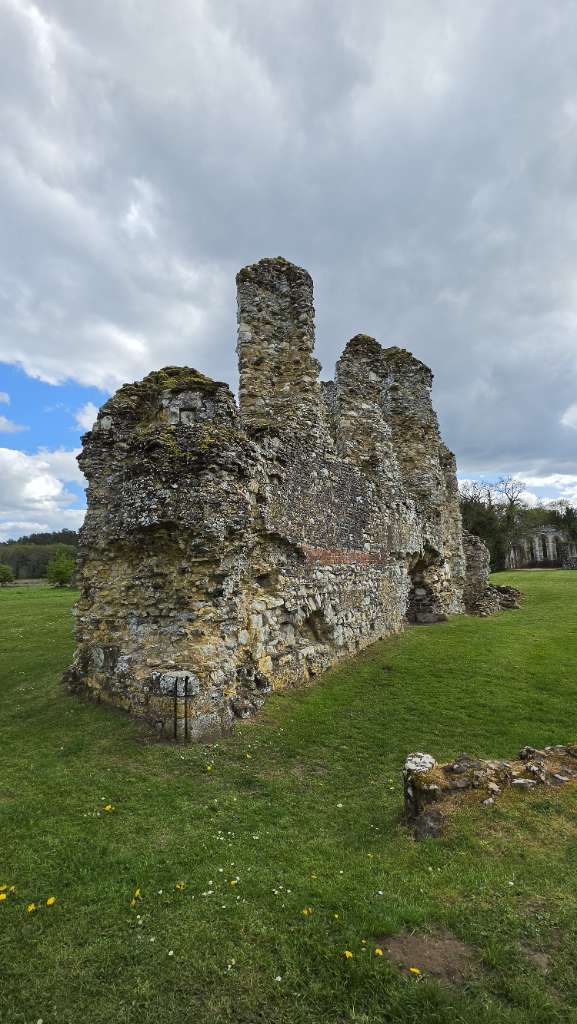
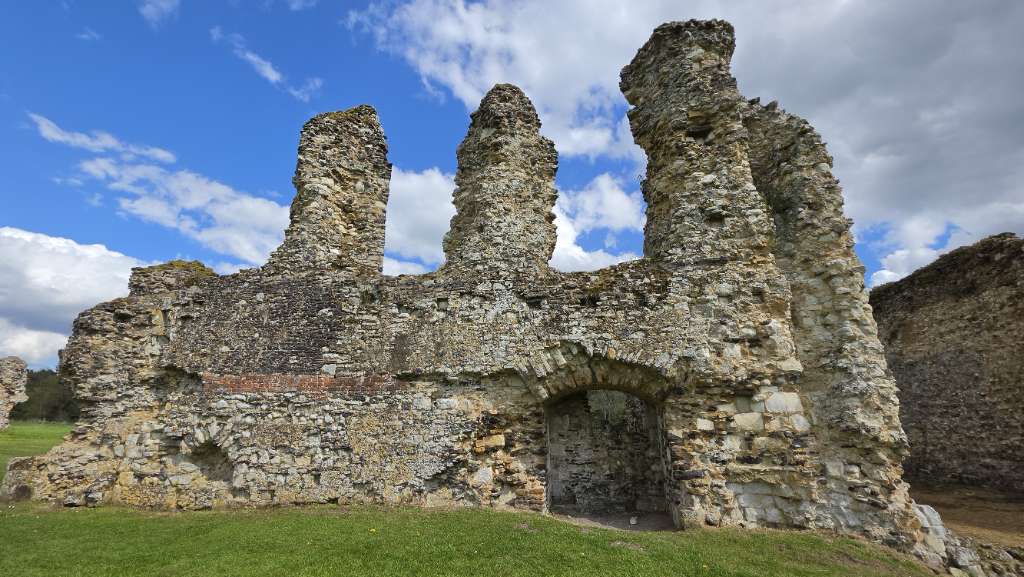

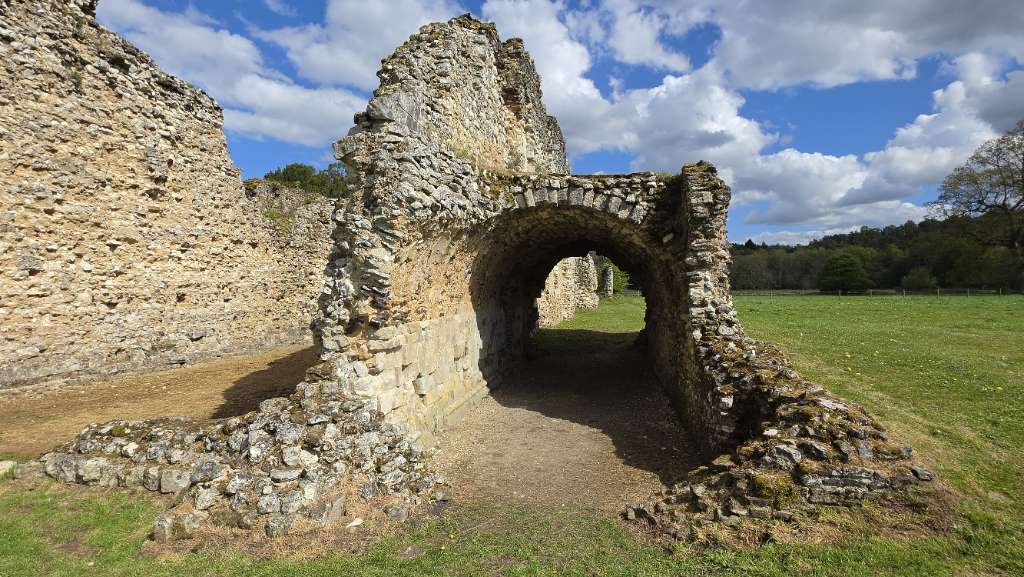
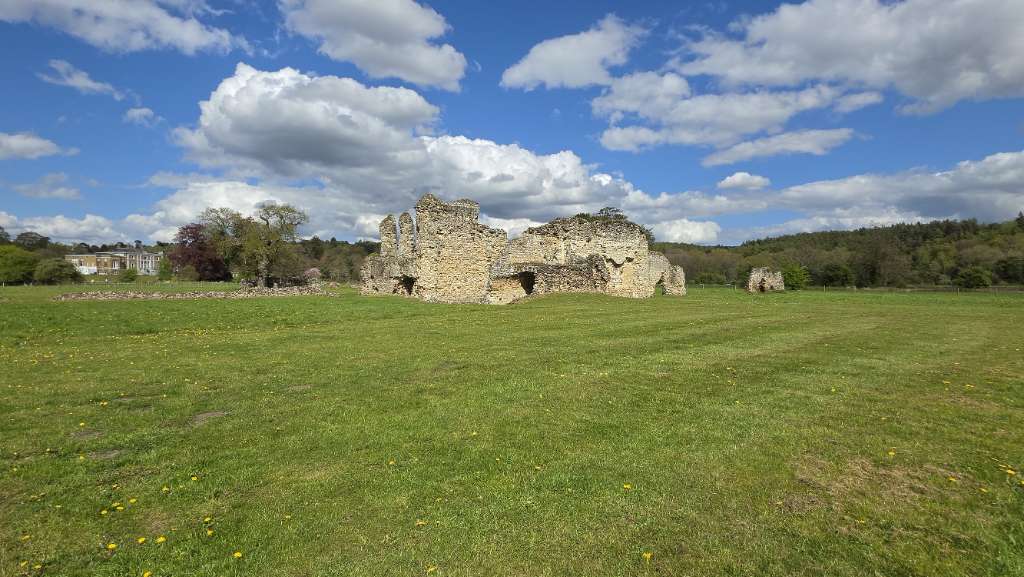
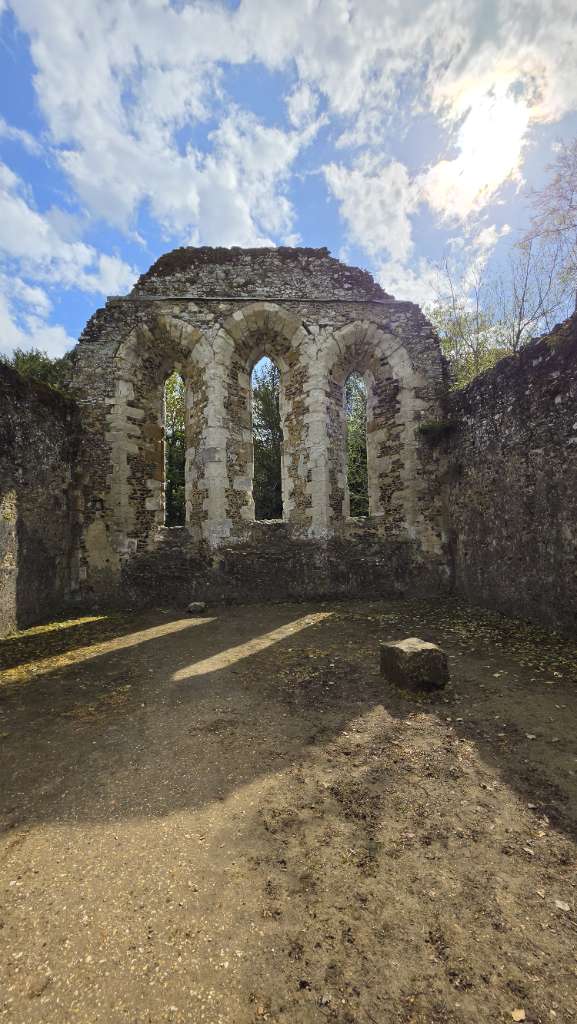
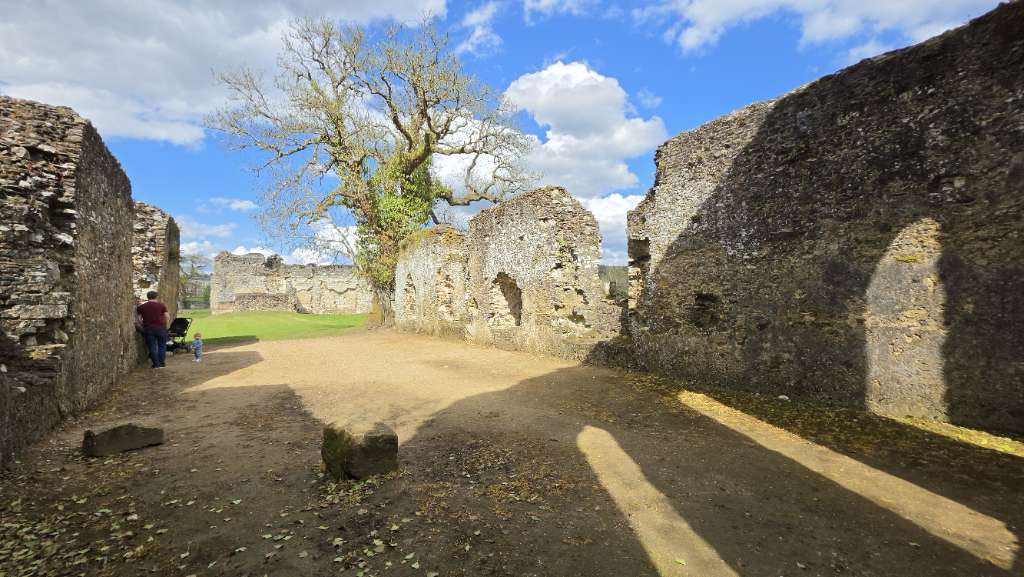
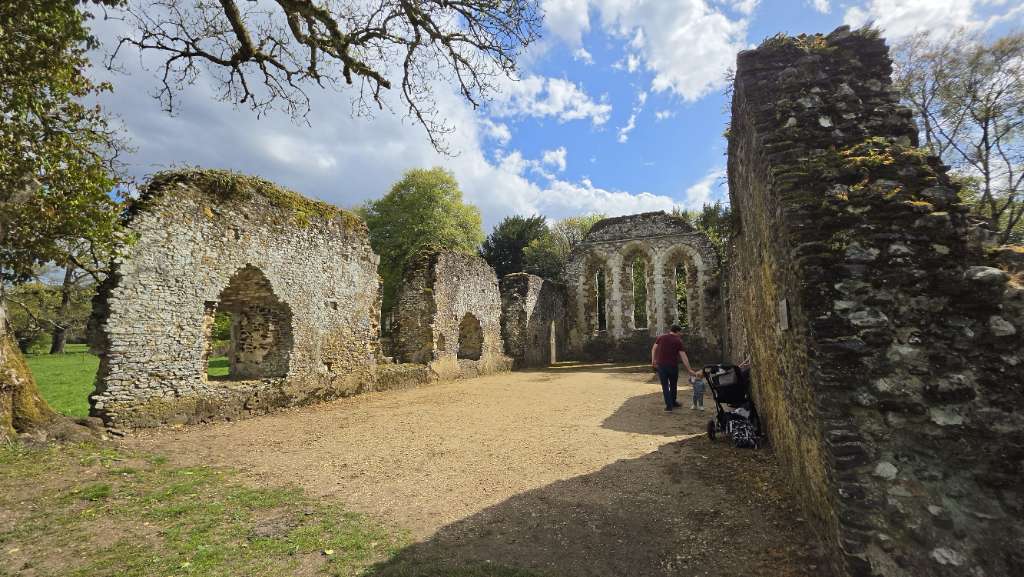
The ruins cover quite a large area. Some walls barely rise above the grass, while others still have tall sections of stone and proper arches. We wandered between them, taking photographs from practically every angle. The changing clouds gave the whole place a different look every few minutes.

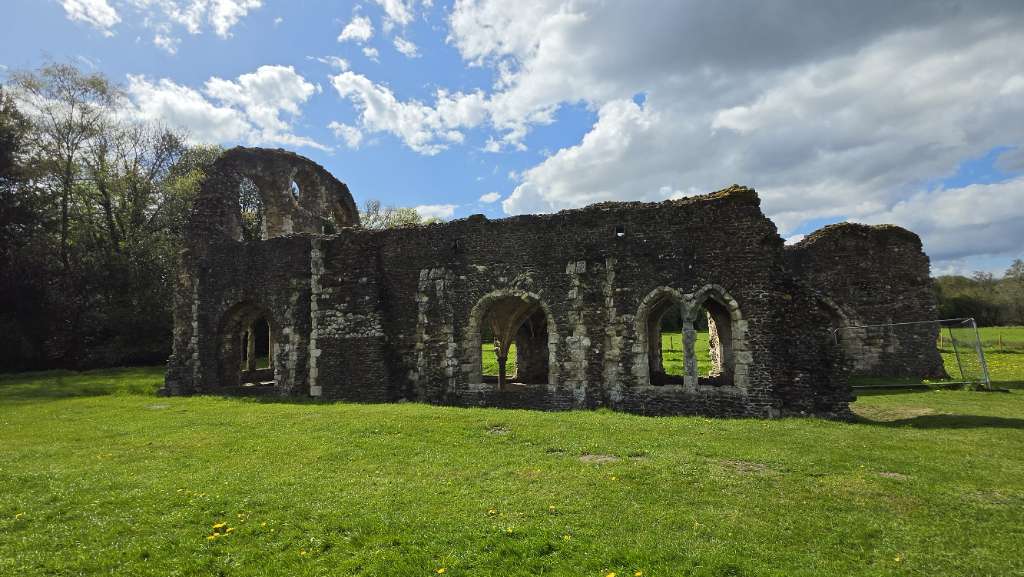

Through the arches
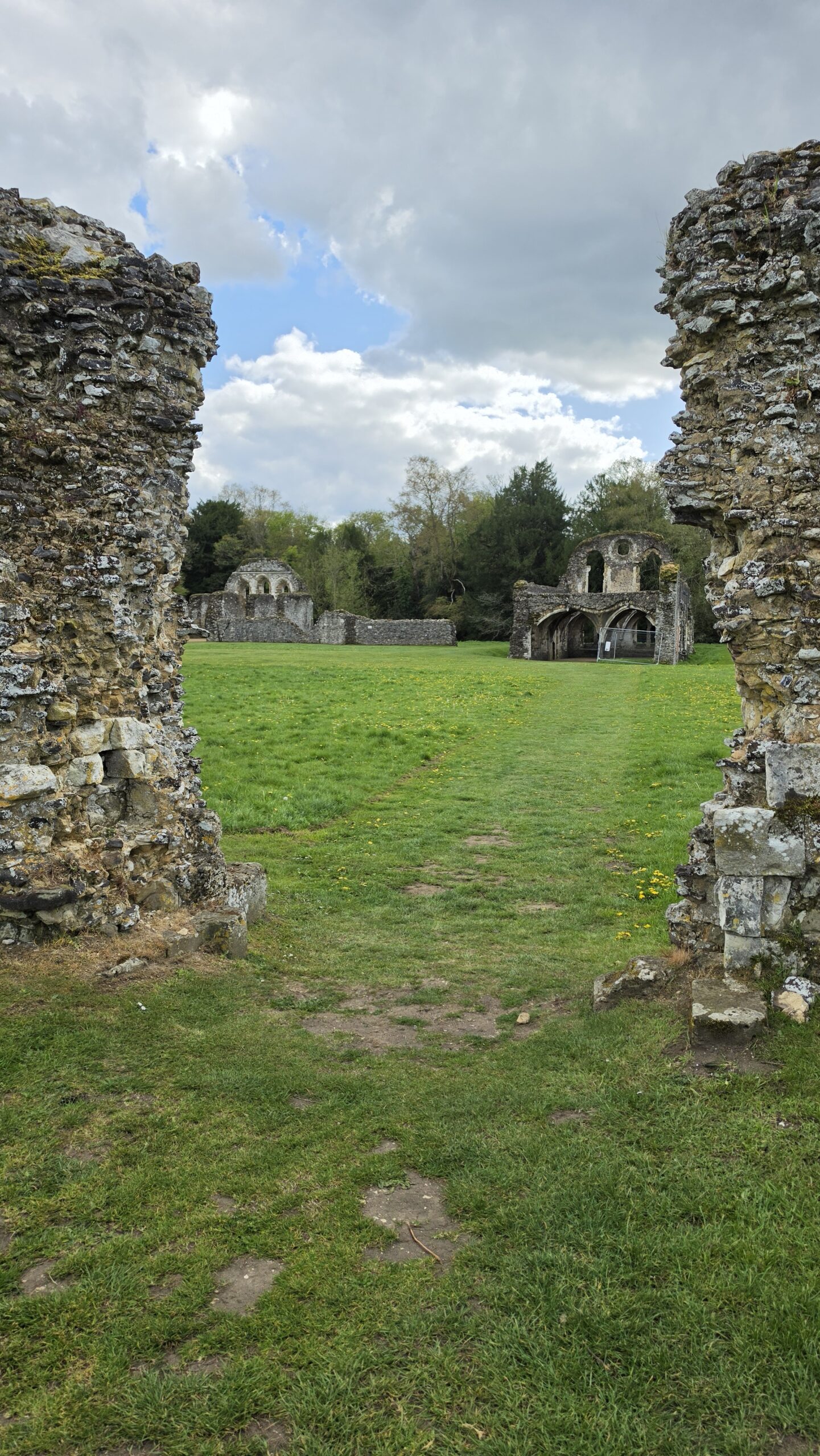
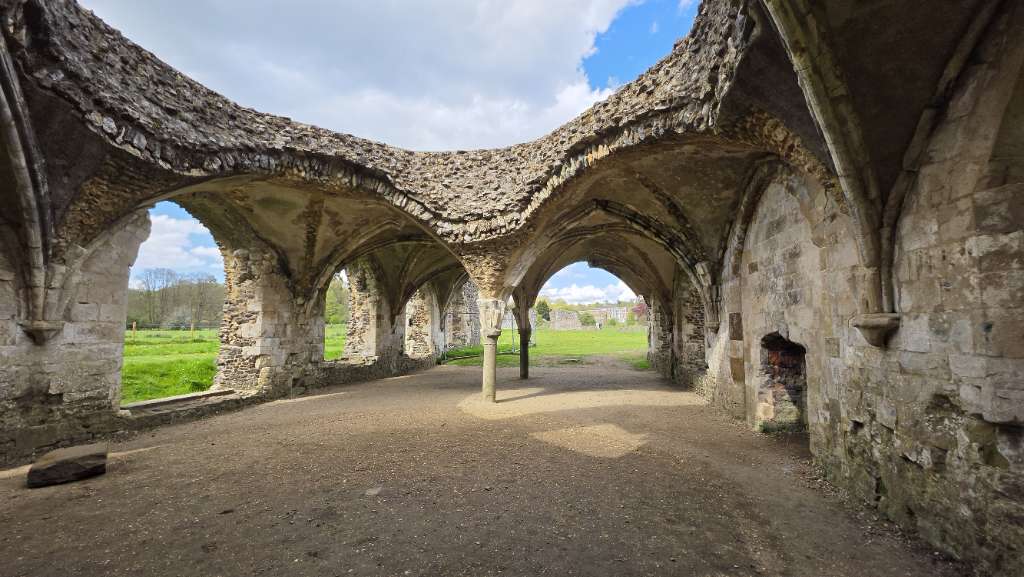
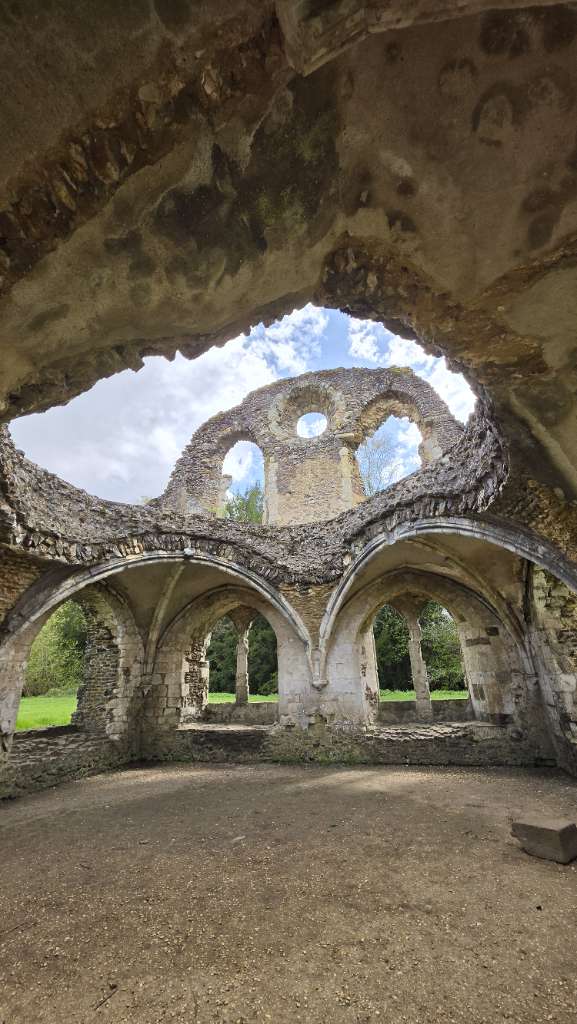
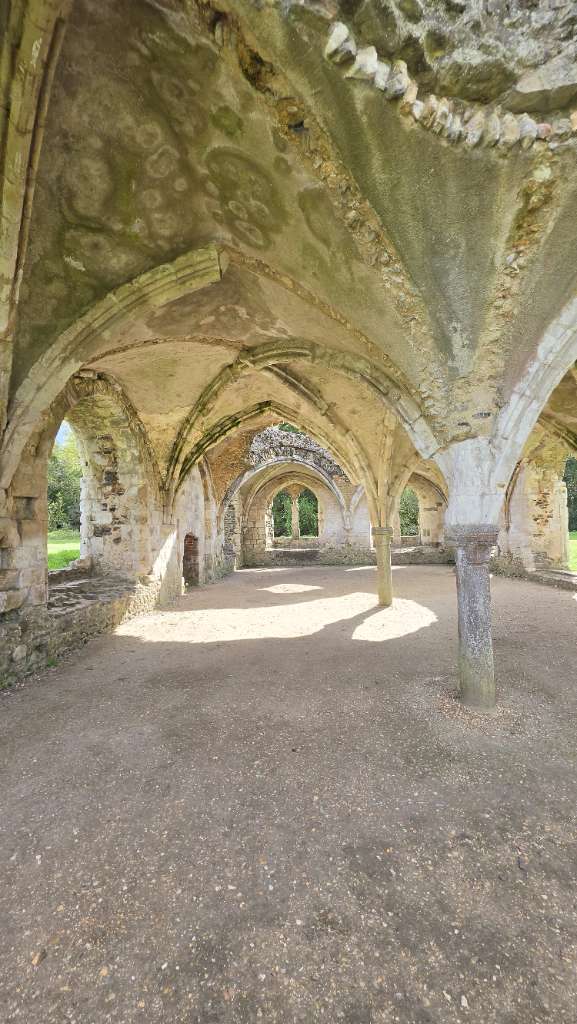
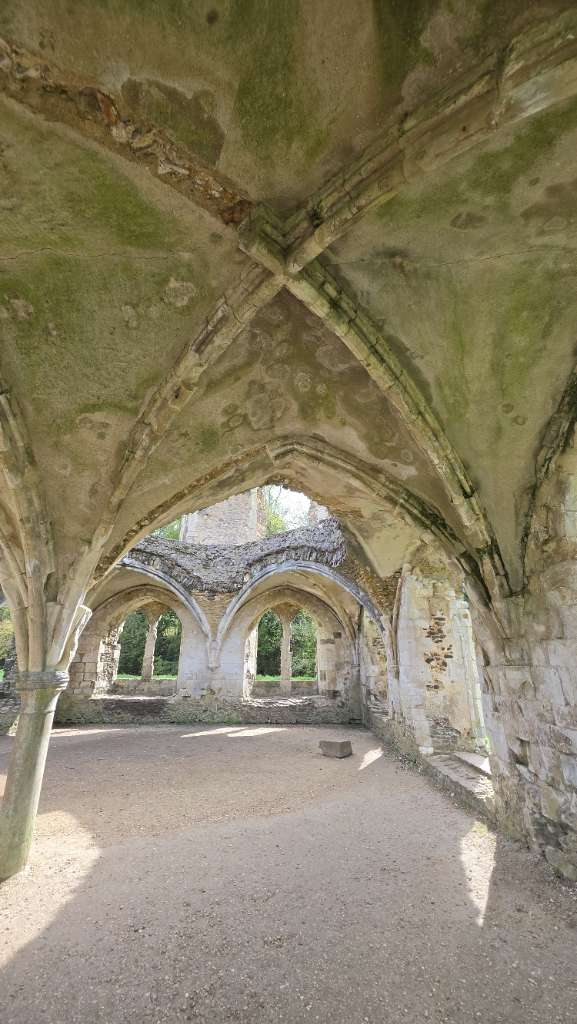
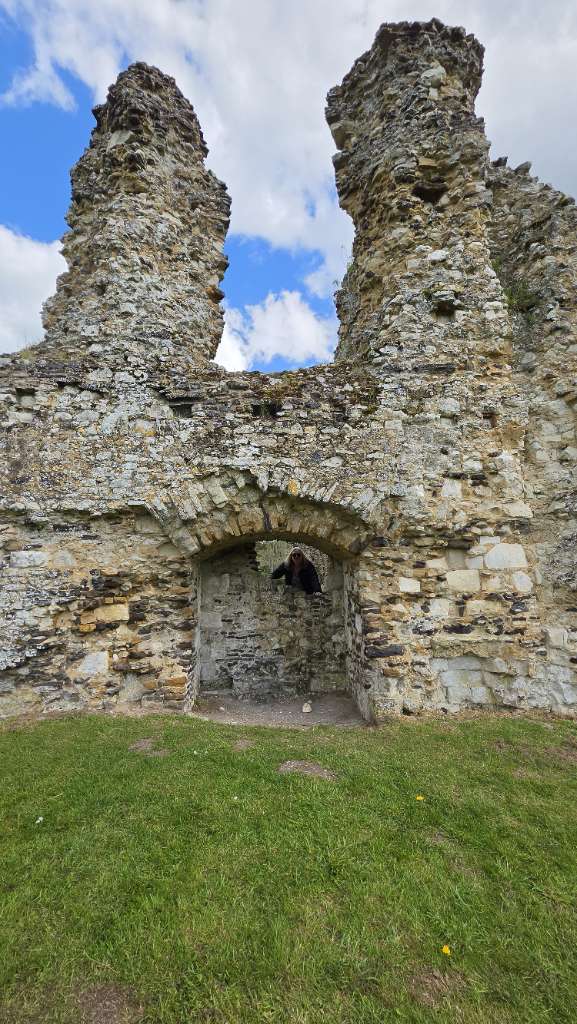
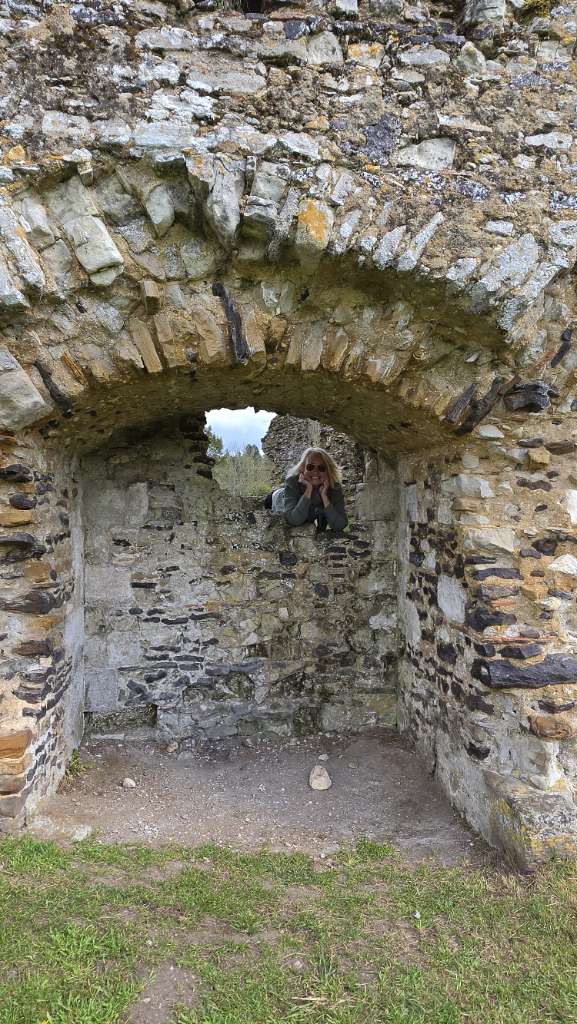
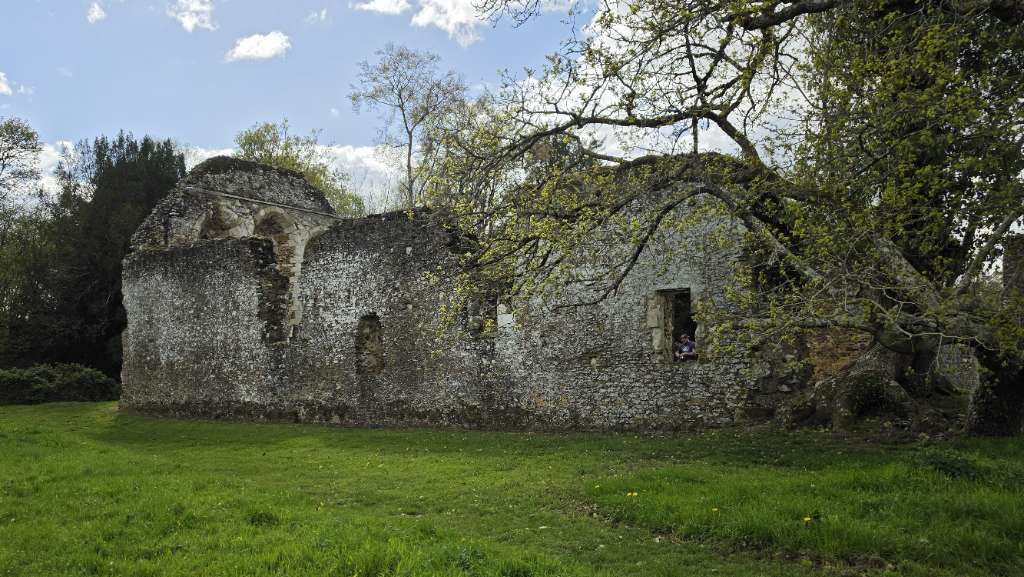
The vaulted sections were my favourites. It’s one thing to look at a ruined wall from the outside, but quite another to stand underneath the old stone arches and see how the builders put everything together. Some parts are still surprisingly grand after all these centuries. There was also time for a photo through one of the stone openings. You have to have a bit of fun while looking at 900-year-old masonry.


The yew that outlived the abbey
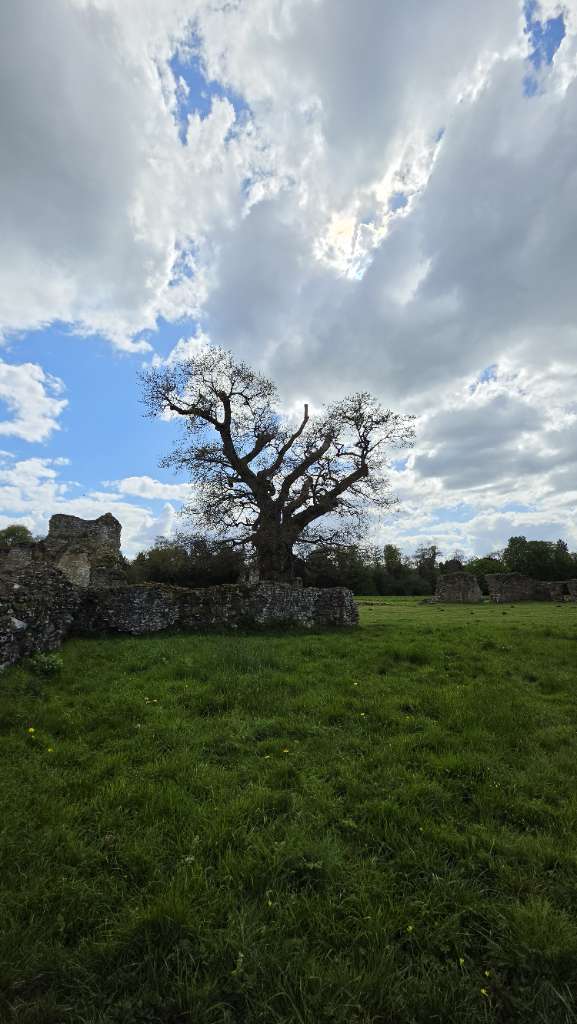
One of the most extraordinary sights in the grounds is the Waverley Abbey Yew. English Heritage believes it may be around 500 years old, although nobody can say exactly when it began growing. It may have taken root soon after the monastery was dissolved in 1536. Its great spreading roots are intertwined with the old ruins, almost as if the tree has become part of the building.
In 2022, this remarkable tree won the Woodland Trust’s UK Tree of the Year competition. It received 16% of the national vote. Imagine standing here as the abbey was dismantled, watching the years go by and the countryside gradually take over. It’s quite something to think about.
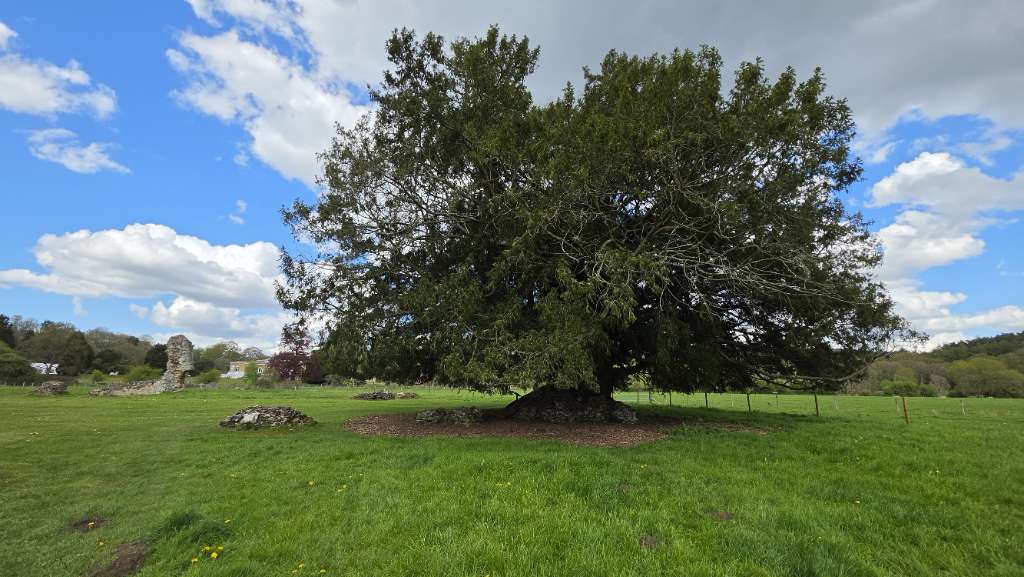
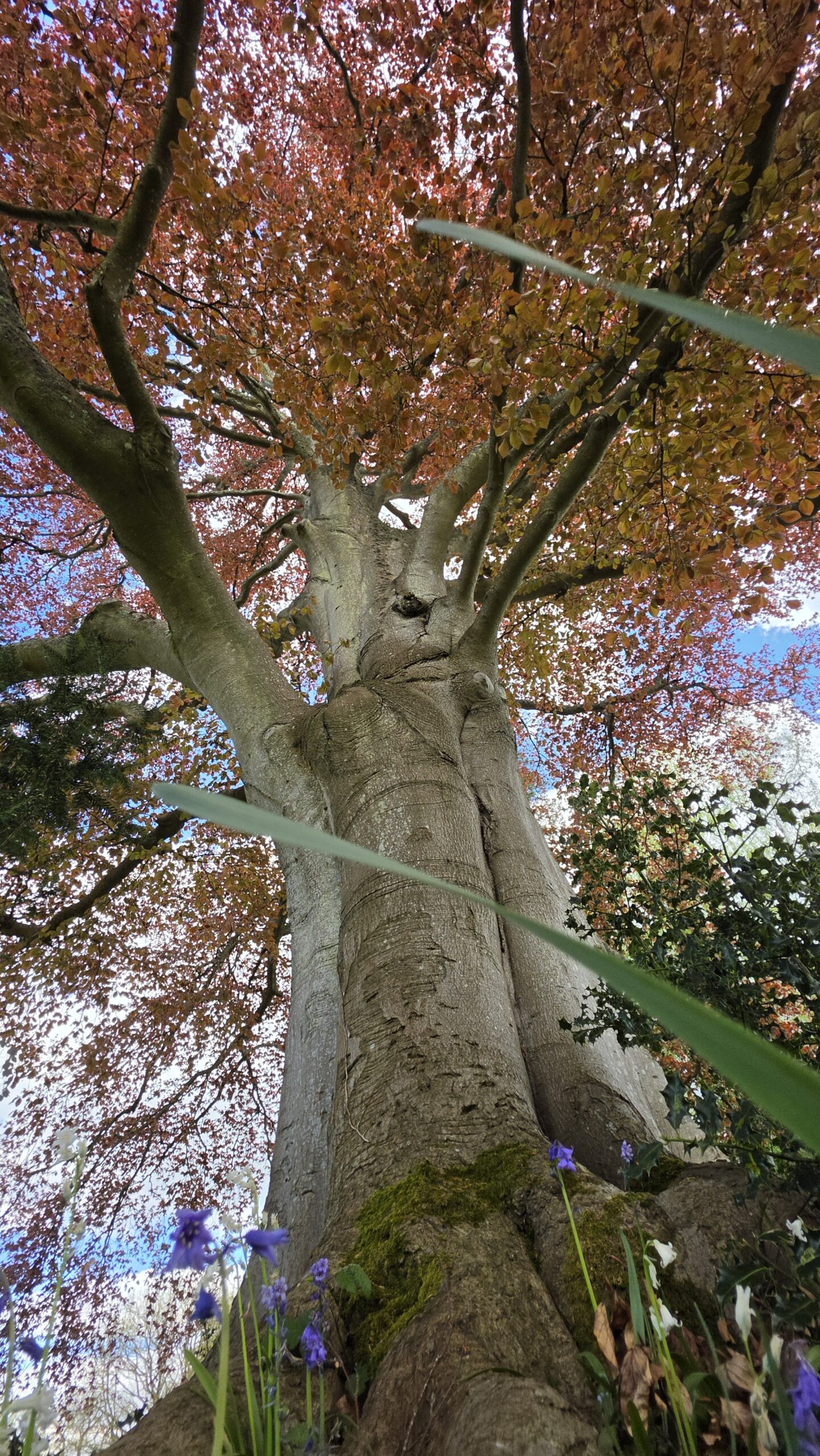
There were other beautiful trees around the ruins too, with huge branches spreading over the surviving stonework. We took photographs of those as well, although the famous yew has a story all of its own.




A quiet end to the visit
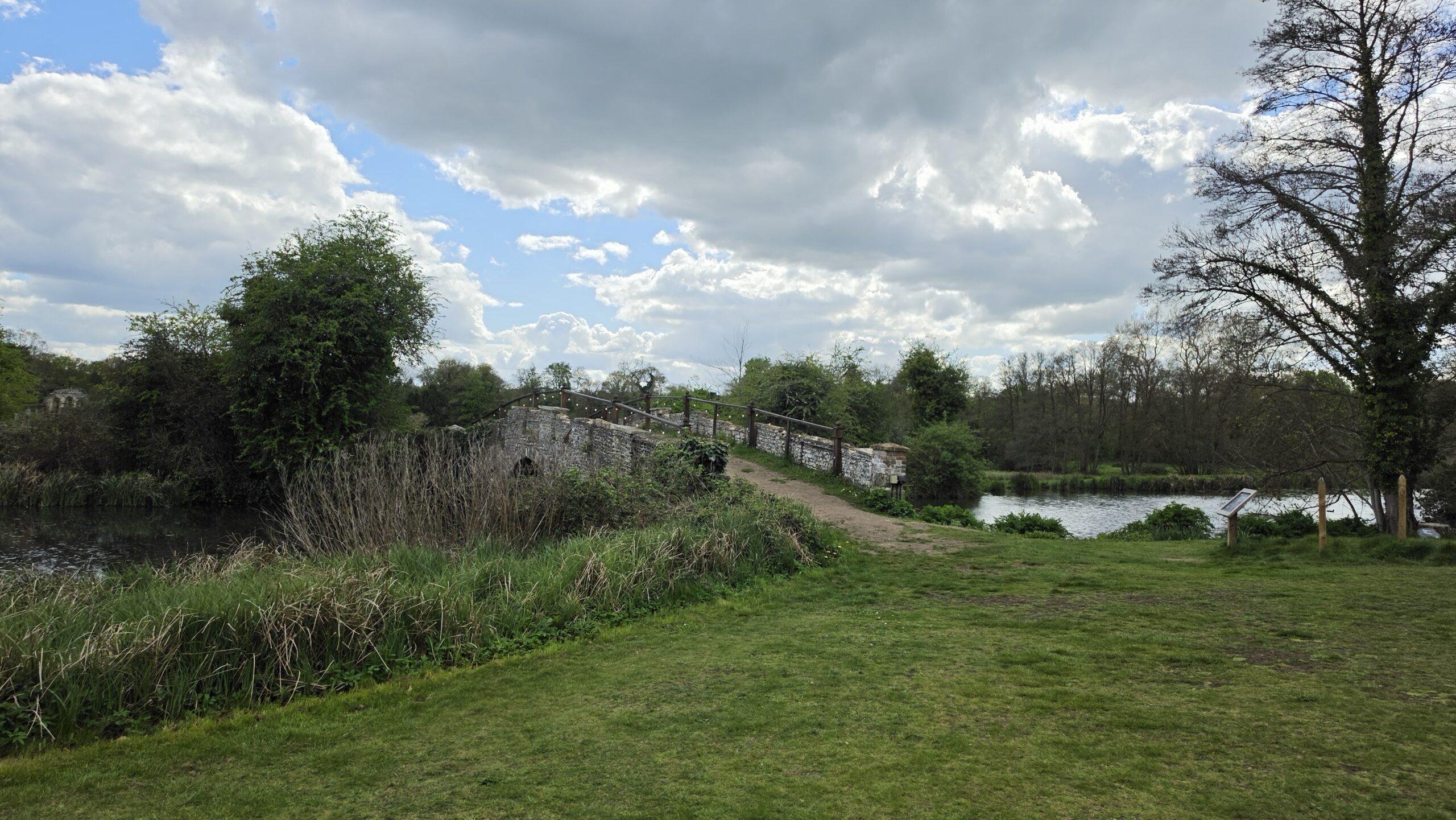
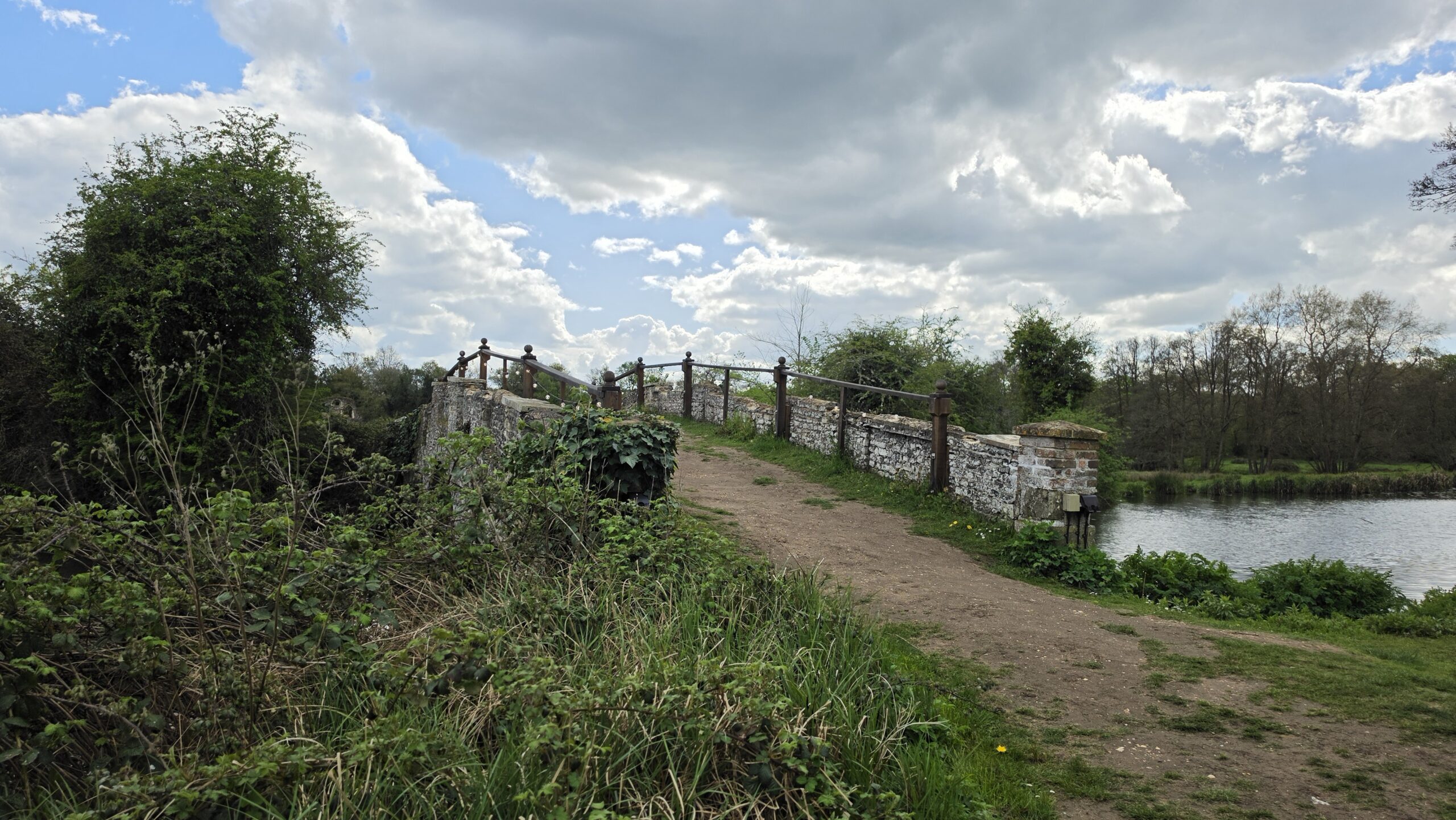
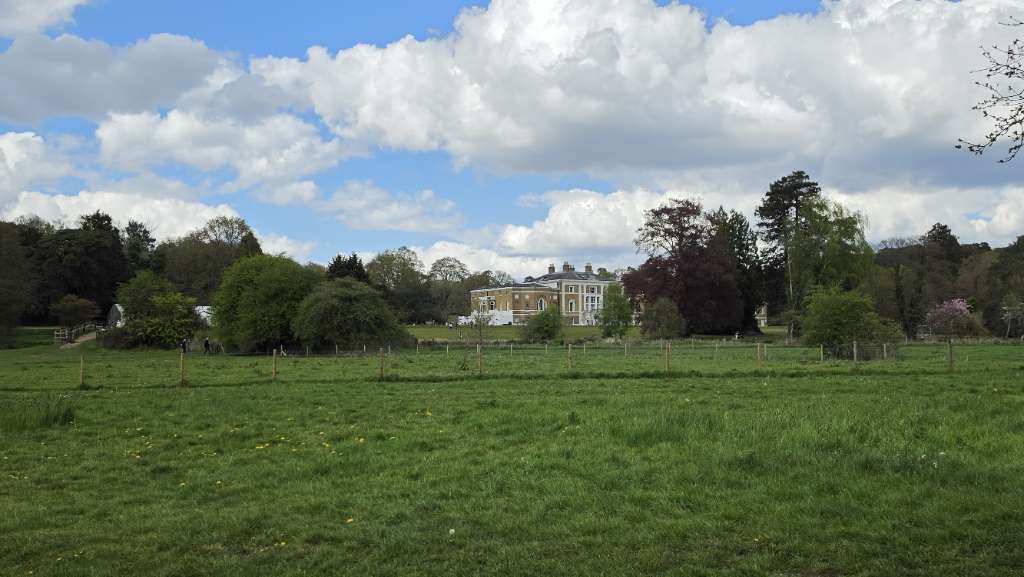
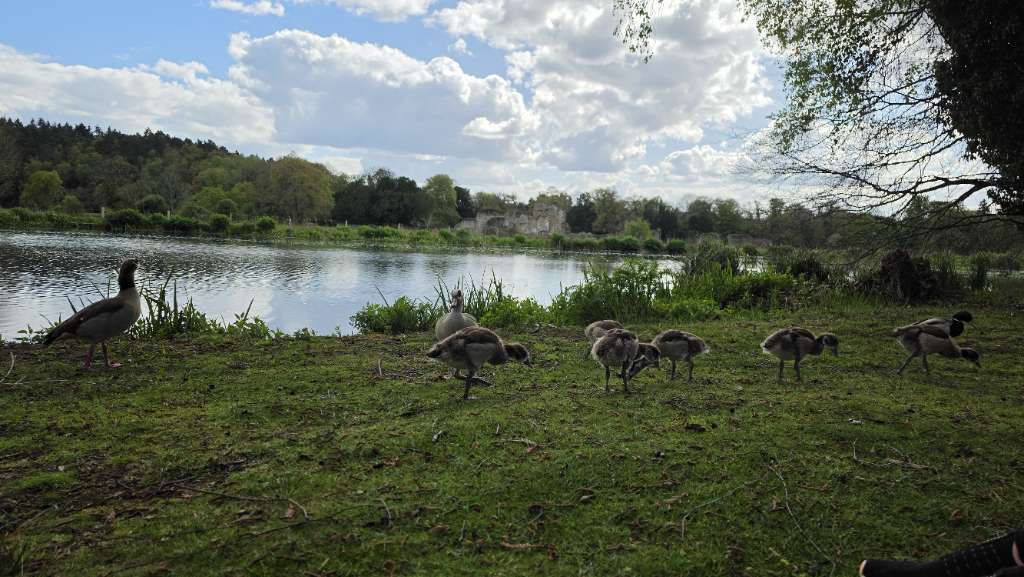
As we wandered further around the grounds, the ruins gave way to open grassy spaces and water, with trees along the banks. There were geese and goslings pottering about near the edge. Nothing fancy, just a beautiful bit of countryside to enjoy.






Waverley Abbey was a reminder that some of the best things to discover while travelling aren’t the ones with the expensive tickets or the big queues. Sometimes it’s an old stone arch, a patch of sunshine, and a tree that’s been quietly getting on with life for centuries.
History checked against English Heritage’s Waverley Abbey history, English Heritage’s Tree of the Year announcement and the Woodland Trust’s Ancient Tree Inventory.